
‘Molecular atlas’ uses military blood samples to spot disease years early
ORIGIN project analyzes decades of stored data to identify warning signs
Written by |
- ORIGIN project aims to predict diseases like multiple sclerosis years early.
- It analyzes military blood samples for early molecular warning signs using "omics" approaches.
- This research seeks to enable proactive prevention and transform disease classification and treatment.
A “molecular atlas” of disease that can predict illness years before symptoms appear is the goal of a massive new research project analyzing blood samples from U.S. military service members.
Known as ORIGIN, the initiative uses stored samples from the Department of Defense to hunt for early warning signs of more than 25 conditions, including multiple sclerosis (MS). By studying the blood of service members from the time they enlist through the development of a disease, researchers hope to move from reacting to symptoms to preventing illness entirely.
“For years, we have dreamed of being able to tell a patient: ‘We see this coming, and here is what we can do about it.’ ORIGIN is the realization of that dream,” Jean-Frédéric Colombel, MD, the study’s co-principal investigator at the Icahn School of Medicine at Mount Sinai, in New York City, said in a press release.

Mapping the molecular road to MS
“By studying the blood of service members years before they get sick, we can map the molecular road to disease and ultimately develop tools to change course,” Colombel added. “This is medicine at its most proactive, and it could benefit not just military families, but every American.”
MS is marked by inflammation that damages healthy cells in the brain and spinal cord. Although several MS risk factors have been identified, the disease’s underlying mechanisms remain incompletely understood, and currently, it’s impossible to predict who will develop MS.
The project, called “ORIGIN: Omics to Characterize Preclinical Stages of Non-Infectious Diseases,” aims to identify early biological signs of MS and other diseases by leveraging the fact that U.S. military service members undergo thorough health assessments when they enlist and regularly thereafter.
It was launched by the Icahn School of Medicine at Mount Sinai in collaboration with the Uniformed Services University of the Health Sciences (USU) and the Henry M. Jackson Foundation for the Advancement of Military Medicine.
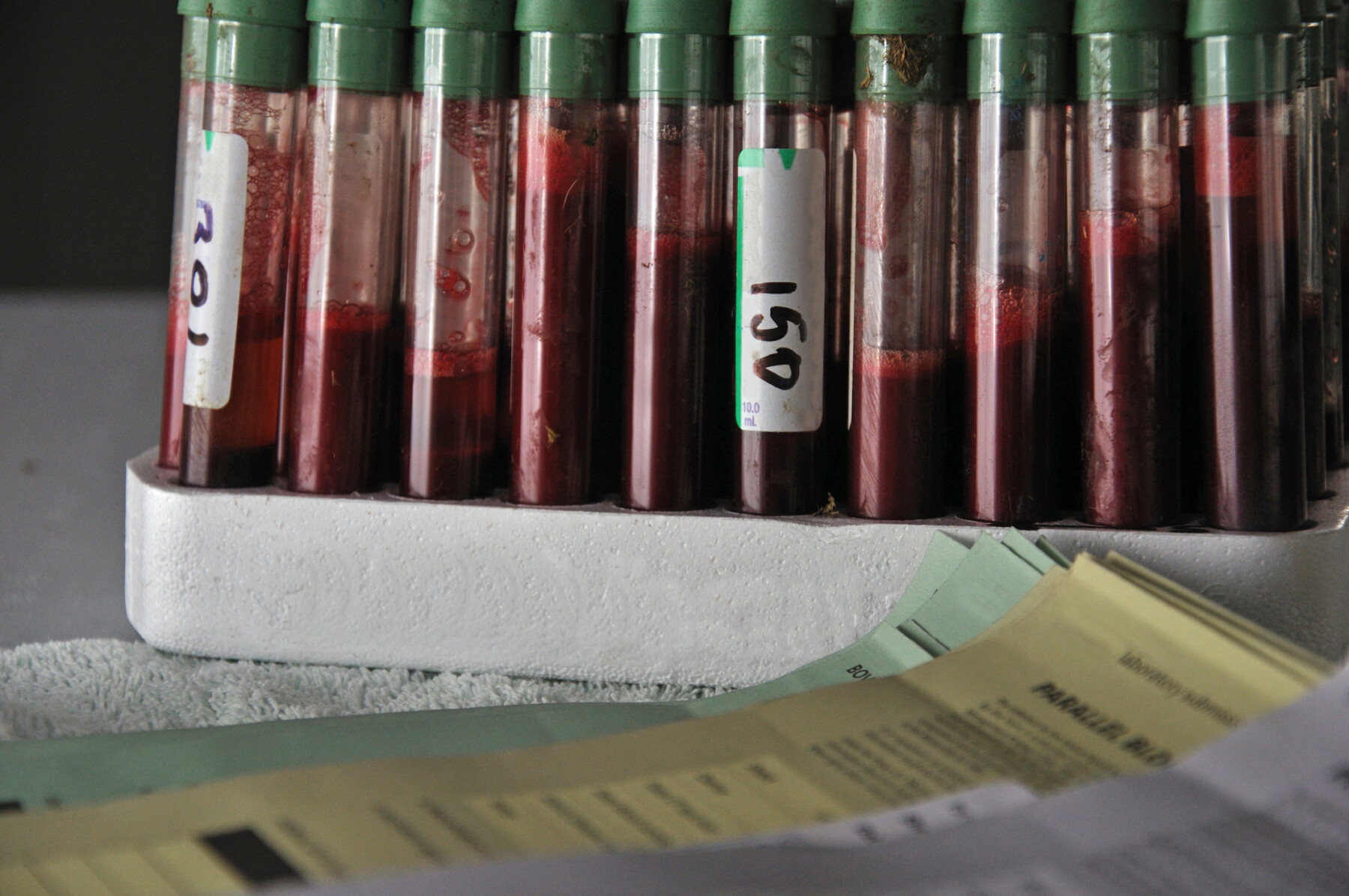
Blood samples from service members are stored long-term in the Department of Defense Serum Repository (DoDSR). Using samples collected in this repository dating back to the early 2000s, researchers can analyze samples taken years before patients developed any of the conditions being studied, allowing them to look for early signs of the diseases.
The scientists aim to apply a so-called “omics” approach, in which large pools of biological molecules will be assessed across multiple branches of science. For example, genomics examines the entire genetic code, proteomics investigates all proteins, metabolomics studies all metabolites, and so forth.
The project will bring together researchers from 10 departments at Mount Sinai as part of the Precision Immunology Institute at Mount Sinai (PrIISM).
Creating an atlas of how disease begins
“ORIGIN is exactly the kind of bold, boundary-breaking science that PrIISM was built to support,” said Miriam Merad, MD, PhD, director of PrIISM and Mount Sinai’s co-principal investigator for ORIGIN. “By uniting 10 departments and bridging the worlds of military medicine and academic research, we are creating something entirely new — a molecular atlas of how disease begins. The potential to prevent illness before it starts, and to rewrite how we classify and treat dozens of conditions, is truly transformative for patients everywhere.”
Scientists at Mount Sinai and USU have previously used this type of DoDSR analysis to look for early signs of inflammatory bowel disease. The new study will radically expand this approach to look for signs of more than 25 conditions, including MS, rheumatoid arthritis, lupus, Crohn’s disease, post-traumatic stress disorder, colon cancer, lung cancer, and heart failure.
“The men and women warfighters of this country deserve cutting-edge medical care,” said Daniel J. Adams, MD, USU’s principal investigator for ORIGIN. “Our collaboration with Mount Sinai directly advances our USU mission to support the readiness, health, and well-being of our military community, using the unparalleled resource of the DoD Serum Repository to decode the early biology of chronic diseases. The insights from ORIGIN will help us protect service members today and advance medicine for decades to come.”
