
Studies show why some nerve cells in brain are vulnerable in MS
Neurons linked to cognition particularly prone to damage
Written by |
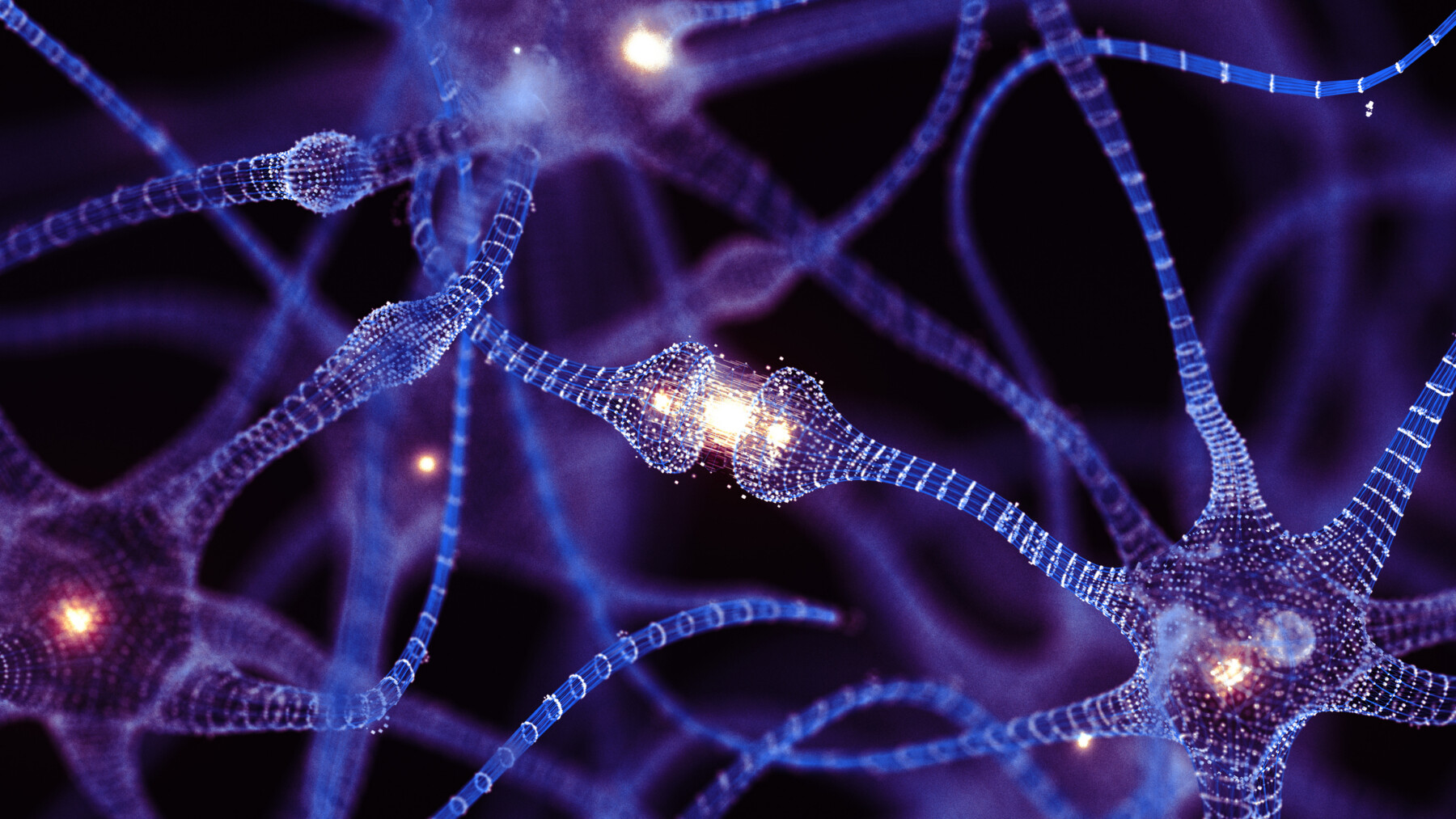
Neurons are found in the brain's cortex. (Image from iStock)
- CUX2 neurons, vital for cognition, are highly vulnerable to inflammation-driven DNA damage in MS.
- This vulnerability arises from their early developmental dependence on DNA repair mechanisms.
- Targeting DNA damage or enhancing repair could protect these neurons.
A pair of studies showed that a group of nerve cells essential for cognition may be particularly vulnerable to damage in multiple sclerosis (MS).
Researchers found that CUX2 neurons — specialized cells in the brain’s cortex, which governs complex thinking — are especially prone to DNA damage driven by inflammation in MS. This susceptibility appears to stem from the cells’ early development, when they rely heavily on DNA repair mechanisms that may become overwhelmed during disease-related inflammation, according to researchers at the University of California San Francisco (UCSF), University of Cambridge, and Cedars-Sinai Medical Center.
The findings suggest that therapeutic approaches aimed at reducing DNA damage or boosting repair mechanisms could support the health of these neurons and protect brain function in MS.
“The CUX2 neurons are like a ‘canary in the coal mine’ for the brain affected by MS,” David Rowitch, MD, PhD, co-corresponding author of both studies and professor of pediatrics at the University of Cambridge, said in a UCSF news story. “If we can protect these neurons, we might be able to contain the damage before the disease progresses.”
MS is a chronic disorder in which inflammation in the brain and spinal cord damages myelin, a fatty coating around nerve fibers that helps them send electrical signals. Because myelin is mainly found in the brain’s white matter — which gets its name from the whitish myelin color — most MS research has focused on these brain regions. However, increasing evidence shows that gray matter — which contains nerve cell bodies — is also significantly affected and contributes to disease progression.

How to protect neurons?
CUX2 neurons are found in the gray matter of the cortex. Previous studies have shown that these neurons are lost at higher rates than other nerve cells in people with MS, but the reasons for their increased vulnerability remain unclear.
In one of the new studies, “DNA damage burden causes selective CUX2 neuron loss in neuroinflammation,” published in Nature, researchers investigating how inflammation affects these neurons found that CUX2 cells accumulate more DNA damage than other types of neurons under inflammatory conditions. This damage, if left unrepaired, can impair cell function and ultimately lead to cell death.
“It’s become clear that in addition to promoting remyelination in progressive MS, it’s essential to find ways to directly protect grey matter neurons themselves,” said Stephen Fancy, PhD, co-corresponding author of both studies and a neurology professor at UCSF. “We can now point to a mechanism for why these vulnerable neurons in the brain are lost — DNA damage — and begin fighting MS on an entirely new front.”
In a separate study published in the same issue of Nature, “Expansion of outer cortical CUX2 neurons requires adaptations for DNA repair,” the researchers explored how these neurons develop, seeking to understand why they are particularly susceptible to damage later in life.
They found that, during early development, the immature cells that will grow into CUX2 neurons are growing at an extremely fast rate, meaning they are constantly making copies of their DNA and dividing to make new cells.
With copies being made at such a rapid rate, there’s a high probability for errors and DNA damage, making these cells especially dependent on efficient DNA repair systems. In fact, the researchers found that these cells cannot develop at all when they lack a crucial regulator of DNA repair called activating transcription factor 4.
The findings suggest that this early dependence on DNA repair leaves CUX2 neurons uniquely exposed under inflammatory conditions such as those seen in MS. When inflammation triggers additional DNA damage, these neurons may be less able to cope, ultimately leading to their selective loss.
“Our findings indicate that DNA damage burden and inadequate repair in [CUX2 neurons] during [brain inflammation in MS] accounts in part for their selective loss,” the researchers wrote.
This finding opens potential avenues for treating MS, the researchers said. They speculated that it may be possible to block the inflammatory signals that trigger DNA damage and/or to find therapies that improve DNA repair, ultimately helping preserve the health of these nerve cells.
“We were excited to find that these brain cells already have natural ways to repair themselves,” Fancy said in a Cedars Sinai news story. “By uncovering how certain brain cells protect and repair themselves, we have taken a significant step toward developing treatments that could one day preserve brain function and quality of life.”



Leave a comment
Fill in the required fields to post. Your email address will not be published.