My MS diagnosis opened a window to a whole new world
Written by |
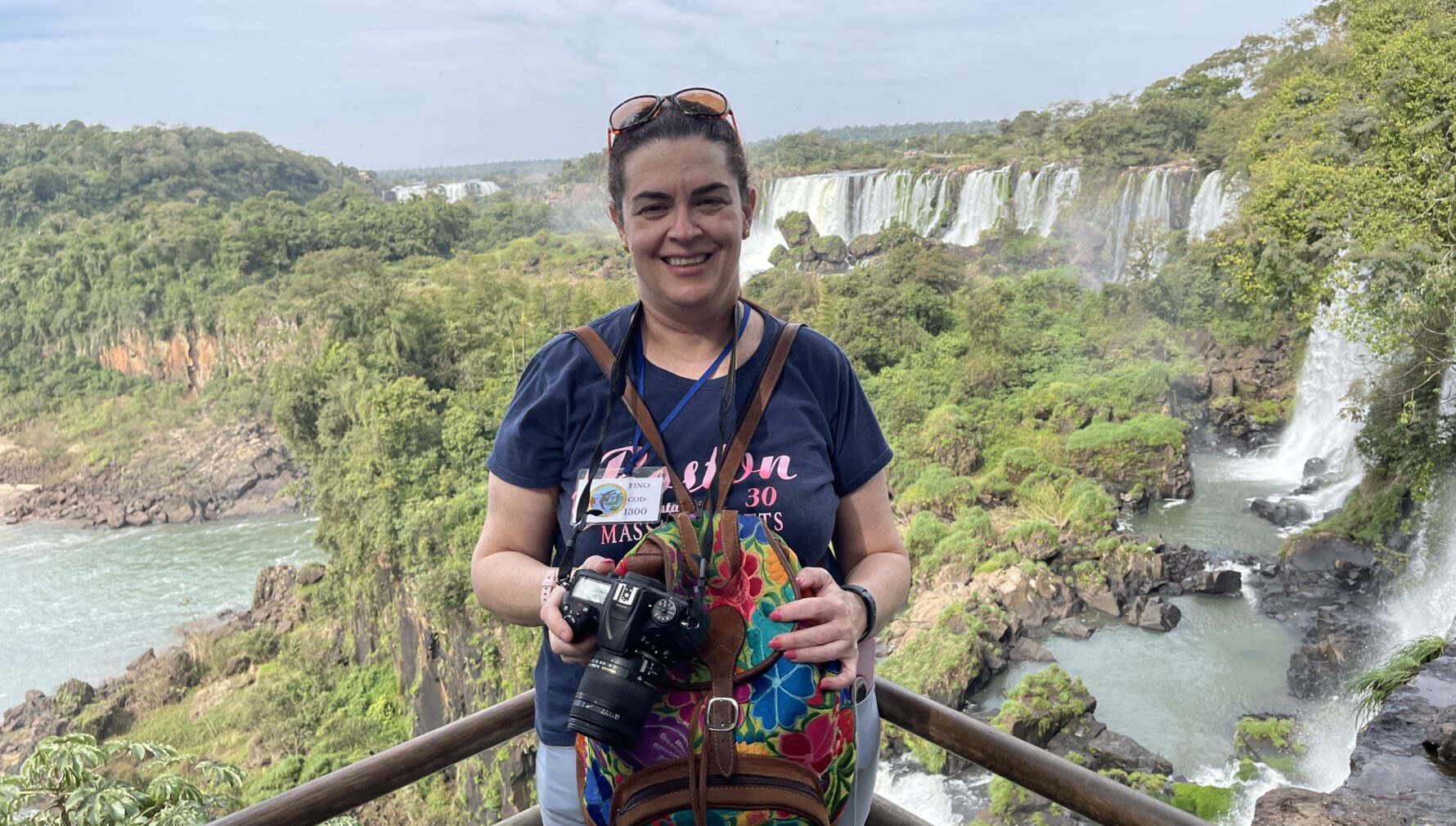
Aranzazu Calzado, who loves travel, photography, and adventure, pauses for a snapshot at Iguazu Falls at the border of Argentina and Brazil. (Photos courtesy of Aranzazu Calzado)
In recognition of Multiple Sclerosis Awareness Month in March, the MS Awareness Month campaign features a series of stories highlighting the real-life experiences of people affected by MS, written in their own words. Follow us on Facebook, Instagram, X, and Pinterest for more stories like this, using the hashtag #MSAwarenessMonth, or read the full series.
When I was diagnosed with multiple sclerosis (MS), my life took an unexpected detour. It wasn’t the scenic route I had planned, but a detour nonetheless. And while I wouldn’t have chosen it, that unexpected turn opened a whole new world of possibilities and things I once overlooked, dismissed, or considered unimportant.
We live in a chaotic, fast-paced world where everything is urgent, and everyone is busy. We rush, multitask, and treat rest as an optional luxury rather than a basic need. Somewhere along the way, pausing became suspicious. Yet, it is in those quiet, overlooked moments that transformation begins. As the saying goes, when one door closes, a window opens. For me, God didn’t just open a window; he made sure I finally stopped long enough to look through it.
At first, I wasn’t exactly thrilled. Faith didn’t magically erase my frustration, but it did grow stronger, gently nudging me to search for meaning in a journey I never signed up for. Living with MS forced me to slow down, something I had avoided my entire life. Rest and stillness once felt like wasted time. I was always busy, always accomplishing something. Productivity defined my worth. If I wasn’t doing it, I felt like I was failing.
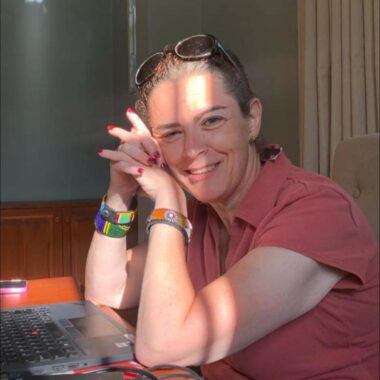
Calzado takes a break from work to bask in the sunlight at her desk.
Meanwhile, my body had been sending polite warning signs for years. I ignored every single one of them. After 40, the body no longer comes with a warranty, as they say, but we rarely read the fine print until something breaks.
Today, I listen more closely. I recognize the small signals and respect them. Taking a break no longer feels like failure; it feels like wisdom. Rest, I’ve learned, isn’t quitting; it’s refueling. And running on empty is not nearly as smart as we pretend it is.
I still miss the person I once was and the way I used to do things, especially the version of me that could do everything at full speed without consequences. But I’ve learned that life doesn’t end with a diagnosis; it evolves.
Adapting doesn’t mean giving up. It means shifting your focus toward what you still can do, instead of obsessing over what you can’t do the same way anymore. Grace and patience, two things I once wanted delivered overnight, are now daily practices.
Like many life-changing diagnoses, I moved through emotional stages. Denial came first. Then anger — at myself, at the world, at anyone breathing too loudly near me. Sadness followed, filled with tears and a fear of the unknown. And then, finally, acceptance. Not dramatic surrender, but a quiet decision to stop fighting reality and start living again. That was the day I took the bull by the horns and moved forward with a purpose.
Caring for oneself is often mistaken for selfishness, but it’s an act of responsibility and love. By learning to care for myself, I became more compassionate toward others. I’ve opened a new window to my world — one filled with faith, humor, patience, and a deeper appreciation for what truly matters.