Having relatives with chronic illness fosters a deeper understanding
Written by |
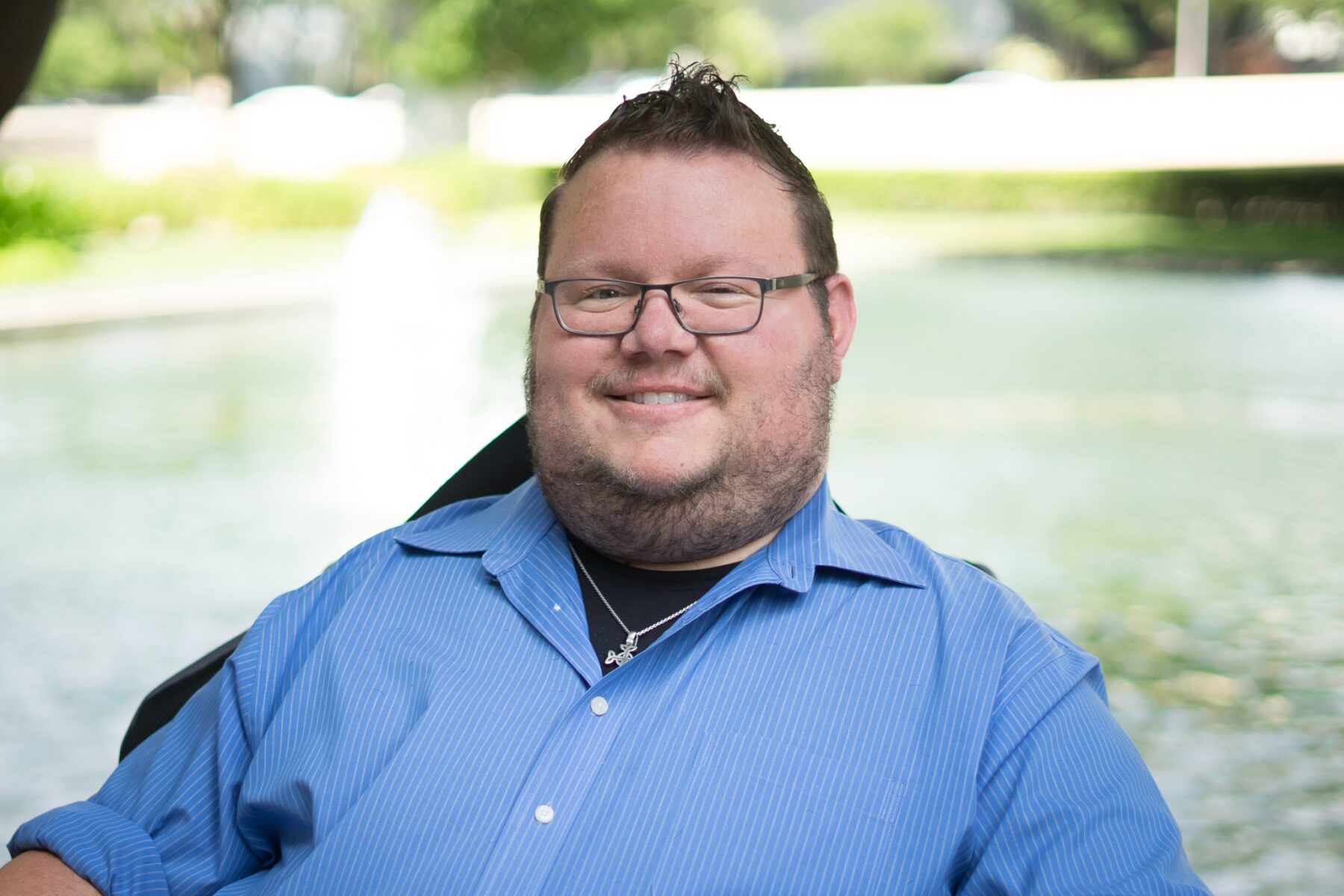
Tyler Dukes, who has SMA, has a special bond with his aunt, who has MS. (Photos courtesy of Tyler Dukes)
In recognition of Multiple Sclerosis Awareness Month in March, the MS Awareness Month campaign features a series of stories highlighting the real-life experiences of people affected by MS, written in their own words. Follow us on Facebook, Instagram, X, and Pinterest for more stories like this, using the hashtag #MSAwarenessMonth, or read the full series.
There was never a watershed moment when I realized my aunt was someone who truly got it. There was no dramatic conversation or turning point marked by tears and clarity. Instead, it was the type of quietness that lives in the background — a steady presence shaped by shared understanding.
From an early age, I knew that, when it came to the realities of living with a progressive disease, my aunt understood in a way few others could. The endless doctor appointments, the constant back-and-forth with insurance companies, the weight of knowing there is no cure, only management — these were things we never had to explain to each other.
I live with spinal muscular atrophy (SMA), a progressive neuromuscular disease. My aunt lives with multiple sclerosis (MS). The specifics of our diagnoses are different, but the lived experience overlaps in ways that matter far more than medical definitions. This includes loss and adaptation, fatigue that reshapes days before they even begin, and the emotional toll of navigating a medical system that often feels more combative than compassionate. These shared realities created a connection rooted not just in empathy, but also in knowing.
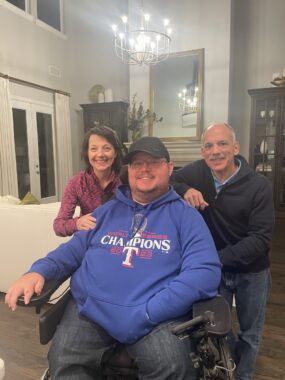
Tyler Dukes cherishes the support and understanding expressed by his aunt, Diana Hoppa, and uncle, Jim Hoppa.
Growing up, that connection mattered more than I probably realized at the time. I didn’t have many peers, if any, who understood what it meant to live in a body that changes without your consent. Watching my aunt move through her life with resilience and grace quietly gave me a model for facing my own challenges. Not in a way that romanticized struggle, but in a way that showed survival could coexist with humor, frustration, grief, and perseverance. Her example shaped how I learned to adapt, even when I wasn’t consciously aware it was happening.
Our relationship has always felt mutual, even if we each believe the other gives more. I feel deeply supported by her — by the ease of conversation, the shared complaints, the unspoken understanding when energy runs low. At the same time, I suspect she would say I offer her the same kind of support.
That paradox feels familiar to many people living with chronic illness: We rarely recognize the weight of what we offer simply by being present and understanding without explanation.
I would never call illness a blessing. I wouldn’t wish these diagnoses on anyone. But I’ve come to recognize that something meaningful can exist alongside hardship. The quiet gift of being understood by someone who truly knows the terrain is powerful. Shared understanding doesn’t require the same diagnosis, just a willingness to stand beside one another in the uncertainty.
If you live with MS, there’s a chance you are already that person for someone else, whether you realize it or not. And sometimes, that type of quiet — the kind that lives in the background — is what makes the journey feel a little less lonely.