An MS diagnosis hasn’t stopped my world travels
Written by |
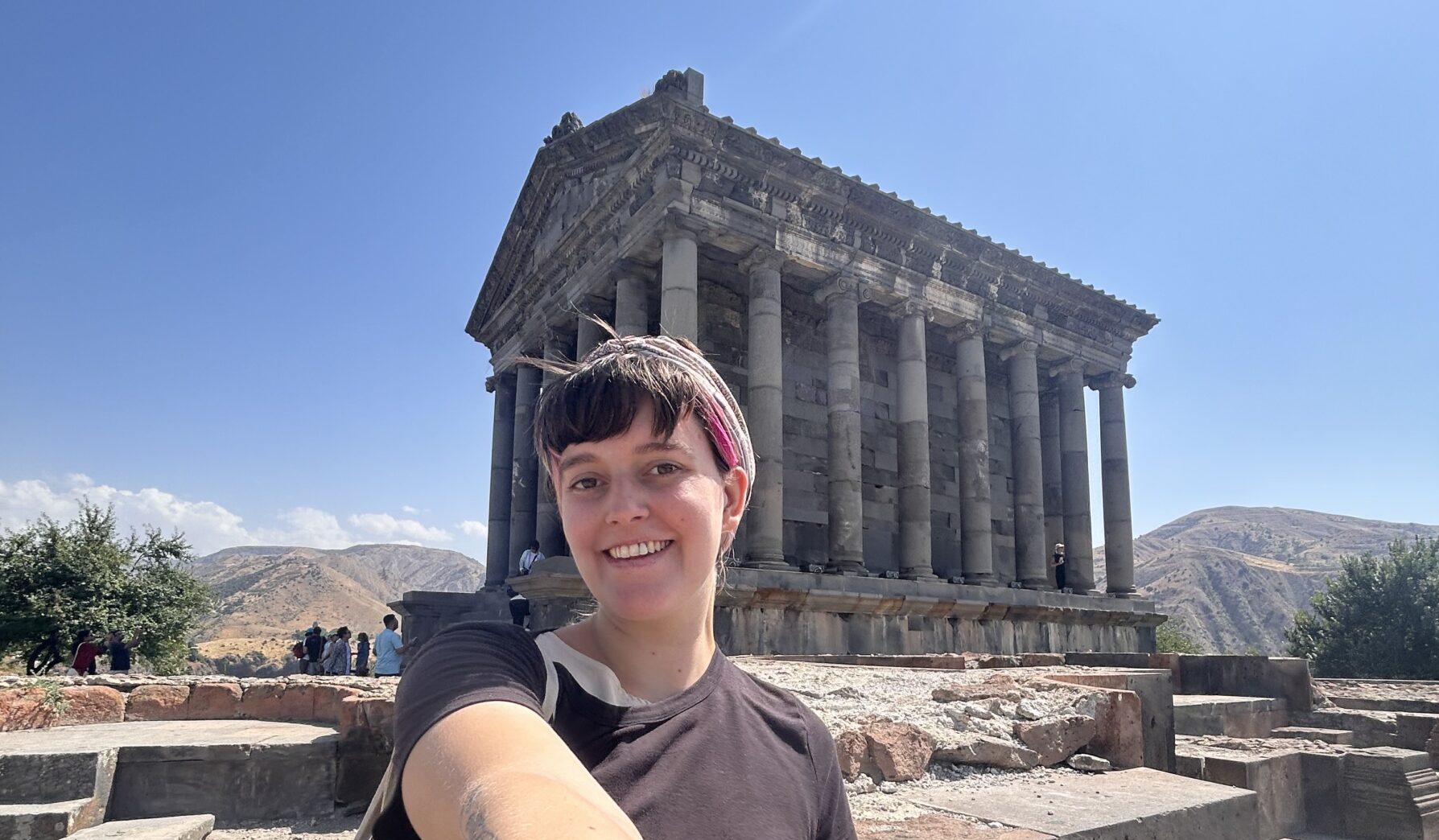
Caitlin Epstein was traveling when she was diagnosed with MS in August 2025. (Photo by Caitlin Epstein)
In recognition of Multiple Sclerosis Awareness Month in March, the MS Awareness Month campaign features a series of stories highlighting the real-life experiences of people affected by MS, written in their own words. Follow us on Facebook, Instagram, X, and Pinterest for more stories like this, using the hashtag #MSAwarenessMonth, or read the full series.
My name is Caitlin, and I was diagnosed with multiple sclerosis (MS) while traveling solo in Georgia (the country, not the state) in August 2025. I work around the world leading programs for teenagers, and I’d just finished a nine-week contract leading programs in Austria, Germany, Greece, and Italy. I’d been experiencing numbness in my hands on and off for months, but by the time I got to Greece for my last program of the summer, my entire right arm was numb.
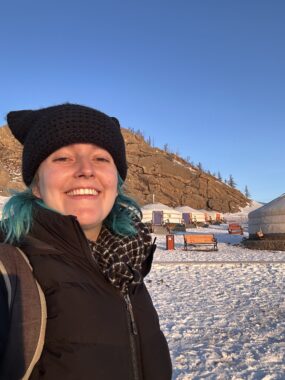
Epstein leads educational programs for teenagers in Mongolia in October 2025. (Courtesy of Caitlin Epstein)
As a reward for working so many weeks straight, I booked a solo trip to Turkey, Georgia, and Armenia. I ignored the numb arm in Turkey, but when it spread to my entire right side in Georgia, I finally went to a local hospital. I very quickly received a CT scan and a brain MRI, and within two hours of arriving at the ER, a neurologist told me I had MS.
Back home in the U.S., I got a referral to a neurologist, but then spent two weeks calling every day to beg for my appointment to be moved up from March 2026 to December 2025, then November, and finally, September. By that point, I’d also lost the vision in my right eye, and I was one week away from going to Mongolia for work for six weeks.
My neurologist was incredible and put in rush orders for five days of IV steroids and MRIs before I flew to Mongolia. She promised that we’d figure out the best disease-modifying therapy for me the first weekday after I returned. I went straight to the infusion center feeling hopeful. A week later, I left for Mongolia, tired but excited, and by the time I picked up my first group of students from the airport, I had my full vision back and felt great.
I had an incredible time in Mongolia, and will be forever grateful to my neurologist for doing everything she could to help me go. Since returning home, I’ve started treatment with Ocrevus (ocrelizumab), which I will receive every six months around my work schedule. I entered 2026 feeling very optimistic and excited to continue traveling the world.