Finding strength in every step as I dance with multiple sclerosis
Written by |
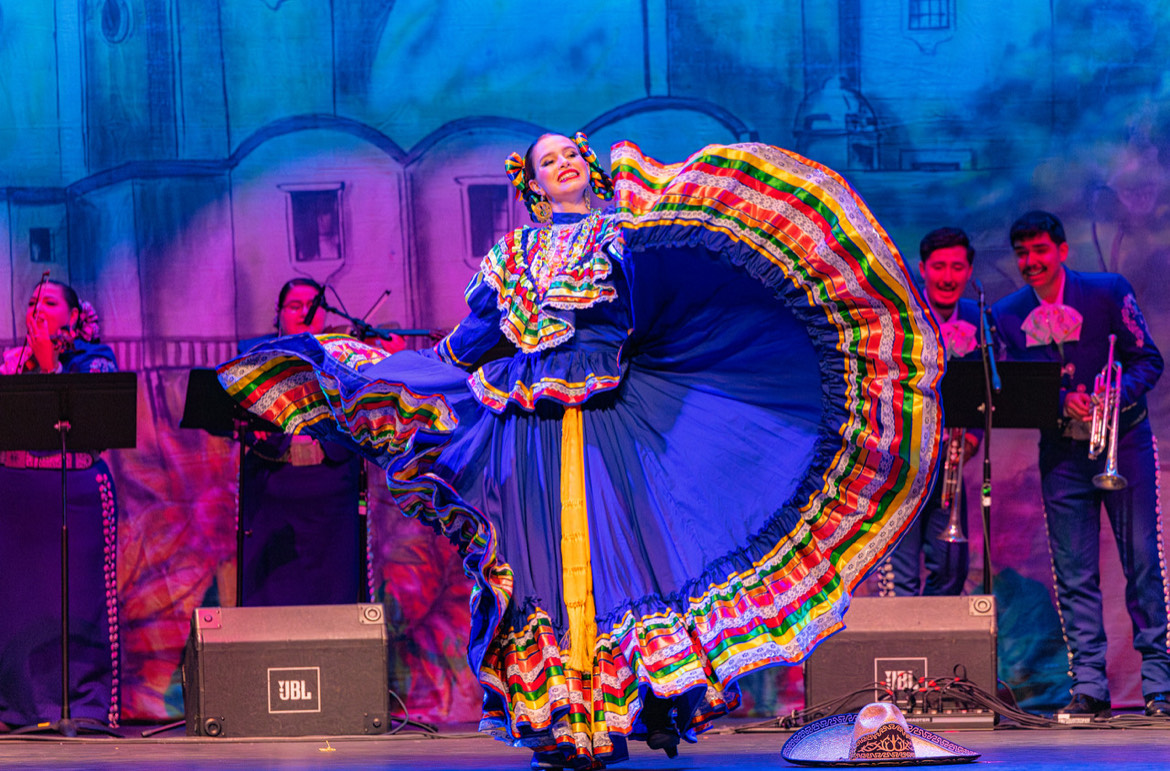
Brittany Claramunt performs a duet with Marachi Celestial from Kingsville, Texas, during the Alcorta’s Compañía de Danza Folklórica's annual Inolvidable show on April 4, 2025. (Courtesy of Matthew Meza)
In recognition of Multiple Sclerosis Awareness Month in March, the MS Awareness Month campaign features a series of stories highlighting the real-life experiences of people affected by MS, written in their own words. Follow us on Facebook, Instagram, X, and Pinterest for more stories like this, using the hashtag #MSAwarenessMonth, or read the full series.
The summer of 2018 was meant to be a simple trip home for me — a 21-year-old college student expecting a familiar break from campus life. Instead, it unfolded into a season of medical tests in search of answers about my health. Through it all, the dance studio became my refuge, the one place where I could feel joy and a sense of myself.
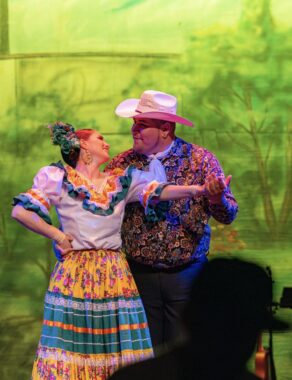
Claramunt and Joey Garcia perform at the Alcorta’s Compañía de Danza Folklórica’s annual Inolvidable event on April 4, 2025. (Courtesy of Matthew Meza)
In the weeks leading up to our annual performance, I spent countless hours in the studio reviewing footwork and choreography — nothing out of the ordinary for me. But gradually, I began noticing troubling changes: I was more exhausted than usual, dizziness hit me often, I struggled to swallow even water during breaks, and my right leg would occasionally go numb without warning.
On the night of the performance, all the symptoms intensified throughout the show. During my duet on stage, my right leg gave out on me, and I nearly fell. The audience’s gasp said it all. At that moment, I knew something was seriously wrong, and I needed to find out what was happening.
For the next two months, I bounced between doctor’s appointments while trying to keep up with my online classes and dance workshops. Every test came back normal, yet my symptoms continued, and new ones appeared, leaving me with no real answers and a list of misdiagnoses.
Eventually, I sought out a second opinion from a doctor who genuinely listened. He ordered an MRI of my brain, and the scan finally illuminated the truth I had been searching for.
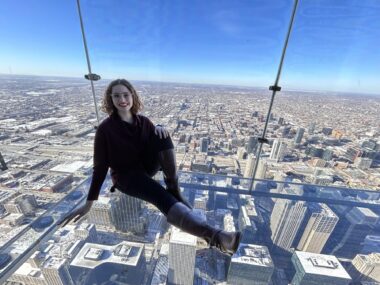
Claramunt visits the Skydeck at Willis Tower in Chicago. (Courtesy of Brittany Claramunt)
After hearing the words, “You have multiple sclerosis,” my immediate response was, “Will I still be able to dance?” The doctor wrapped his arms around me and reassured me with confidence: “Once you’re working with a neurologist and start treatment, yes, you’ll be back on stage where you belong.” His words brought both relief and a wave of confusion as I wondered, “What even is multiple sclerosis?”
Once I began seeing a neurologist and completed several more tests, my multiple sclerosis (MS) diagnosis was finally confirmed. Having very supportive parents helped with how mentally drained I was; they were always in the wings or in the audience, cheering me on.
I thought that would be the end of the story, but it wasn’t. I had just accepted a student job at my university, and a new question weighed heavily on me: How do I disclose this diagnosis to my boss or professors?
At first, only a small circle of people knew about my diagnosis. Over time, I began opening up to my professors and soon realized I wasn’t facing this disease alone. They connected me with others living with MS and with medical professionals on campus who could offer guidance. By gradually sharing my experience, I realized that more people genuinely wanted to support me. In many ways, it was far easier to ask a dance instructor to break down the steps than it was to open up about myself, but doing so made all the difference.
As I continue to grow in both my professional journey and my dance career, I’ve gained a deep understanding of this disease, my own health, and the strength that resilience requires. Over time, I’ve learned that while I may need to adjust certain aspects of my dancing, MS has never and will never stop me from sharing my heritage proudly on stage.
En la danza, no existen límites, existen posibilidades. (In dance, there are no limits, only possibilities.)