
Dietary supplement may help ease disability in people with RRMS
Nanocurcumin linked to better EDSS scores in small trials
Written by |
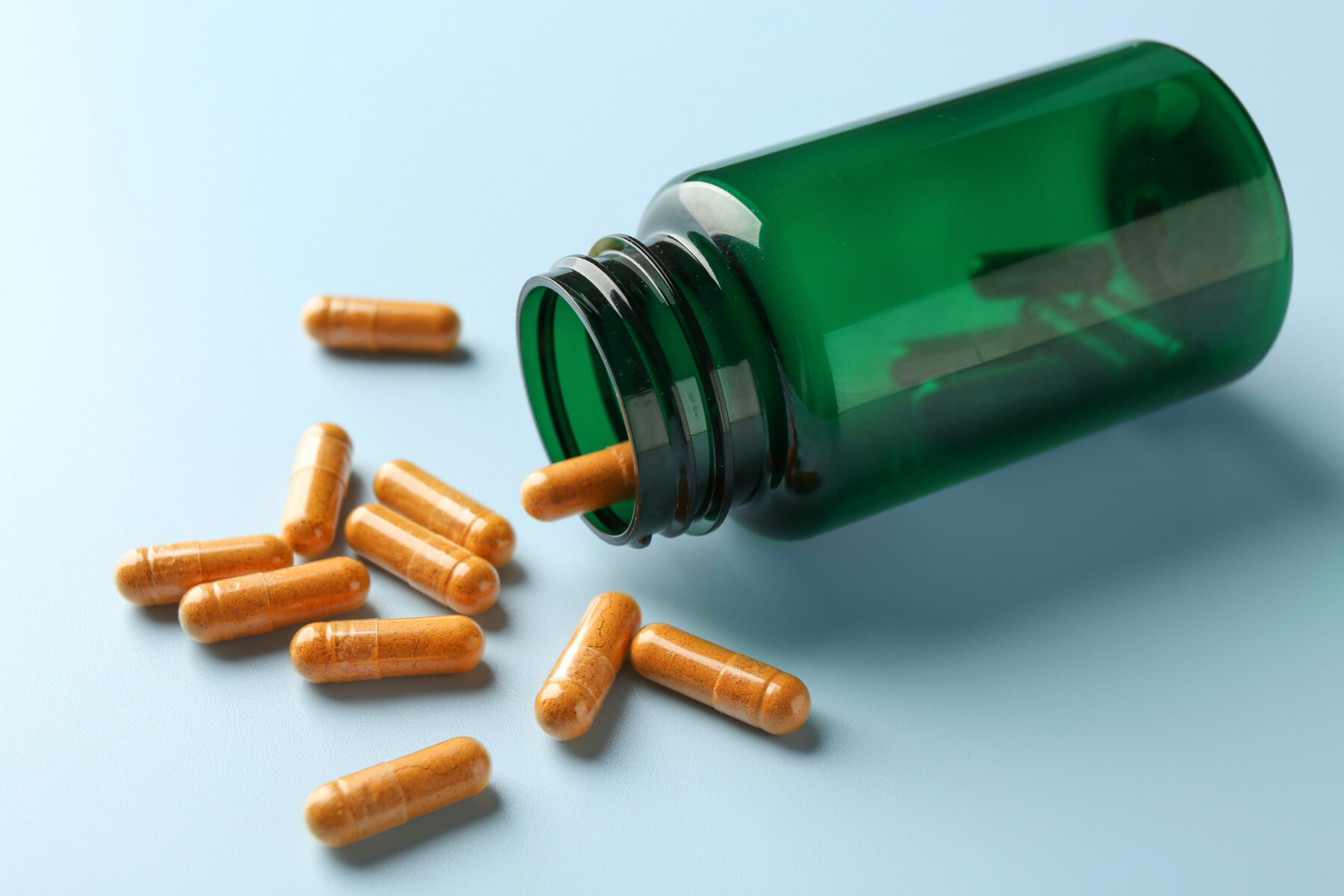
Supplements may lower MS risk for some. (Image from iStock)
- Nanocurcumin, a supplement containing a turmeric compound, may improve disability outcomes in people with RRMS.
- Other polyphenol supplements showed inconsistent benefits for disability and did not significantly improve tested relapse or MRI outcomes.
- Larger, well-designed clinical trials are needed to confirm nanocurcumin’s potential benefits in RRMS.
Nanocurcumin, a dietary supplement containing the turmeric compound curcumin, may significantly improve disability outcomes in people with relapsing-remitting multiple sclerosis (RRMS), according to a review of multiple clinical trials.
However, evidence supporting other similar compounds called polyphenols remains limited and inconsistent.
The review also found that polyphenol supplements did not significantly reduce relapse rates or improve MRI measures of disease activity. Because the evidence was limited by small sample sizes, varied study designs, and methodological concerns, the researchers said larger, well-designed clinical trials are needed to confirm the findings.

Nanocurcumin showed strongest evidence
The study, “The Effect of Polyphenol Supplementation in People with Multiple Sclerosis: A Systematic Review of Clinical Trials,” was published in the journal Nutrients.
Multiple sclerosis (MS) involves an abnormal immune attack against the brain and spinal cord, which disrupts communication between nerve cells and causes symptoms such as fatigue, movement problems, and cognitive decline.
While more than 20 disease-modifying therapies are approved for MS, certain lifestyle modifications, including changes in diet, can help patients better manage their disease.
Polyphenols are naturally occurring compounds found in plants that have antioxidant and anti-inflammatory properties. These compounds may influence several processes involved in MS, including inflammation, immune cell balance, and damage caused by oxidative stress.
To investigate whether polyphenols could complement existing MS treatments, researchers in the U.K. examined data from 13 clinical trials that tested individual polyphenol supplements against a placebo. The trials involved a total of 785 adults with MS and tested nanocurcumin and other curcumin formulations, epigallocatechin-3-gallate (EGCG), silymarin, cranberry extract, and flavanol products.
Ten of the studies assessed disability using the Expanded Disability Status Scale (EDSS), a standard measure of disability in MS, and nanocurcumin showed the most promising results. Across three trials involving 150 people with RRMS, participants who took 80 mg of nanocurcumin daily for six months had significantly better EDSS results than those given a placebo. Lower EDSS scores generally indicate less disability.
Other polyphenols showed no consistent benefits for disability. The review also found that polyphenol supplements tested for relapse rates or MRI measures of disease activity did not significantly improve those outcomes.
Larger studies still needed
Most reported side effects were mild and included digestive problems, urinary symptoms, and upper respiratory infections. However, one trial evaluating an EGCG-containing green tea extract formulation was stopped early after participants experienced more adverse events and worsened liver function tests.
Silymarin showed possible liver-related benefits, with two studies reporting improvements in some liver function measures. Still, the researchers said liver function should be assessed before supplementation and monitored regularly throughout treatment.
The researchers also noted several limitations. For example, several studies raised risk-of-bias concerns, most often related to selective reporting or missing outcome data, and differences in the supplements tested, doses, treatment duration, patient populations, and outcome measures prevented the findings from being combined in a formal meta-analysis.
Overall, “while the evidence base remains limited and heterogeneous, this synthesis suggests that nanocurcumin holds promise as a complementary strategy for MS management,” the researchers wrote.
“However, robust, large-scale, and methodologically rigorous trials are urgently needed to validate these preliminary findings and to determine the optimal formulations and dosing regimens that could translate into meaningful clinical benefits,” they concluded.




Leave a comment
Fill in the required fields to post. Your email address will not be published.