
Vaccine slashes risk of shingles in adults with MS in US, study finds
Findings 'underscore importance' of upping vaccination among MS patients
Written by |
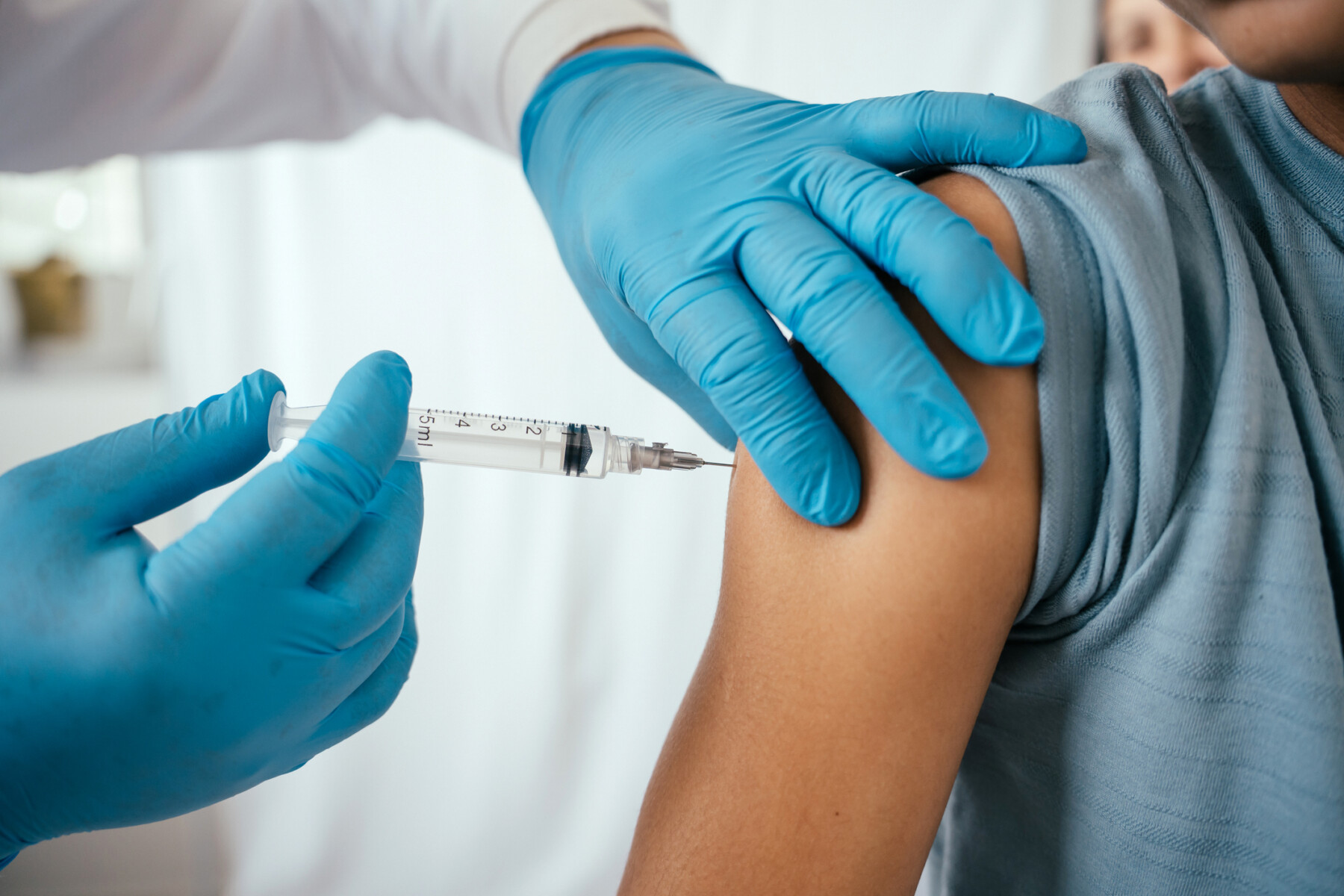
A new study looked at the effects of the shingles vaccine in people with MS. (Image from iStock)
- Adults with multiple sclerosis face an increased risk of developing shingles, a painful viral rash caused by reactivation of the chickenpox virus.
- A new U.S. study found that receiving the recombinant zoster vaccine significantly reduces the risk of shingles in people with MS.
- Analyzing insurance data showed risk was cut by more than 60% to 80% among MS patients.
A new U.S. study has found that use of the recombinant zoster vaccine effectively reduces the risk of herpes zoster — more commonly known as shingles — in adults with multiple sclerosis (MS).
Specifically, in a retrospective analysis involving more than 14,000 vaccinated people with MS, receiving the recombinant zoster vaccine cut the risk of shingles by 64% among those on Medicare, a federal insurance program mainly for older adults, and by 81% among those with private insurance. The researchers used records from these MS patients, as well as those of more than 55,000 people with MS who were not vaccinated.
According to the team, the research findings support vaccination in people with MS — a population at an increased risk of a shingles infection.
Overall, “this study supports the effectiveness of [recombinant zoster vaccine] in reducing the risk of [herpes zoster] among adults with MS, especially among those [age] 50 [or older],” the researchers wrote, noting that the vaccine “demonstrated robust [vaccine effectiveness]” in preventing shingles cases in MS patients.
The team added that the findings “underscore the importance of increasing … vaccination coverage in this population.”
The study, “Effectiveness of the recombinant zoster vaccine in adult patients with multiple sclerosis: A claims-based retrospective cohort study in the United States,” was published in the Multiple Sclerosis Journal. Its large research team was led by scientists at Harvard Medical School and Harvard Pilgrim Health Care Institute in Massachusetts. More than half of the authors work for healthcare and research companies; among them, five are employed by GSK, which makes Shingrix, a widely used shingles vaccine. GSK, which sponsored the study, took part in its design and the interpretation of its results.

Herpes zoster, also known as shingles, is a common infection caused by the varicella-zoster virus, the same virus that causes chickenpox. After a chickenpox infection, the virus remains dormant in the body and can later reactivate to cause shingles, which manifests as a painful rash.
The recombinant zoster vaccine, which trains the body to recognize and attack the varicella-zoster virus, is approved in the U.S. for people most vulnerable to the infection. Among those eligible are adults older than 50, as well as younger adults who are immunosuppressed due to disease or medications. Such patients include those with MS, who often receive immune-suppressing therapies as part of their treatment.
Real-world data on vaccine’s effectiveness is limited
Real-world data on the vaccine’s effectiveness in people with MS is limited, however. To learn more, the research team conducted a retrospective analysis of health insurance data from adults with MS, using information from both people who were and were not vaccinated against shingles.
Altogether, the study involved more than 42,000 people insured through Medicare: 8,705 vaccinated and 34,407 unvaccinated. It also covered more than 25,000 people privately insured through seven commercial providers: 6,025 vaccinated and 22,685 unvaccinated patients.
The vaccine was given in two doses at least 28 days apart. Follow-up monitoring for shingles infection started at least a month after the second dose to allow time for a vaccine-induced immune response to develop.
Most individuals were older than 50, with a mean age of 68.3 in the Medicare group and about 61 in the privately insured group. Women accounted for about 80% of all patients.
The data showed that vaccinated people were more likely to receive immunosuppressive or immunomodulatory treatments and had fewer coexisting health conditions. These individuals were also more likely to have received certain other vaccines. Unvaccinated individuals were more likely to have visited an emergency department or been hospitalized.
The researchers used statistical methods to balance the two groups and adjust for these differences. After this adjustment, the analysis covered 8,200 vaccinated and 34,388 unvaccinated Medicare beneficiaries, as well as 5,813 vaccinated and 22,483 unvaccinated people with private insurance.

Shingles found to occur 3 times more often in unvaccinated patients
The analysis found that shingles occurred about three times more often among unvaccinated than vaccinated patients in both the Medicare and privately insured groups.
Among unvaccinated patients, the incidence of shingles was 13.7 and 12.7 events per 1,000 person-years in the Medicare and privately insured groups, respectively. Among vaccinated patients, the incidence was 4.6 and 2.4 events per 1,000 person-years in the Medicare and privately insured groups, respectively. In other words, if 1,000 people were followed for one year, about 13 to 14 cases of shingles would be expected in the unvaccinated group, compared with approximately 2-5 cases in the vaccinated group.
Among Medicare patients, vaccination significantly reduced the risk of shingles by 64%, the data showed. For those with private insurance, the risk was reduced by 81% compared with unvaccinated patients.
Overall, the vaccine demonstrated “robust protection … against [herpes zoster],” with effectiveness similar to that reported in other groups, according to the authors.
The researchers noted that the findings are particularly relevant because people with MS were not included in the original Phase 3 trials that established the vaccine’s efficacy, and rates of vaccination remain low in the MS population.
In a future study, the researchers plan to examine the vaccine’s effectiveness in subgroups of patients receiving different types of MS therapies.


Leave a comment
Fill in the required fields to post. Your email address will not be published.