
Memory problems in MS may be tied to disease’s nonmotor symptoms
New study links poor ability to remember to social cognition issues
Written by |
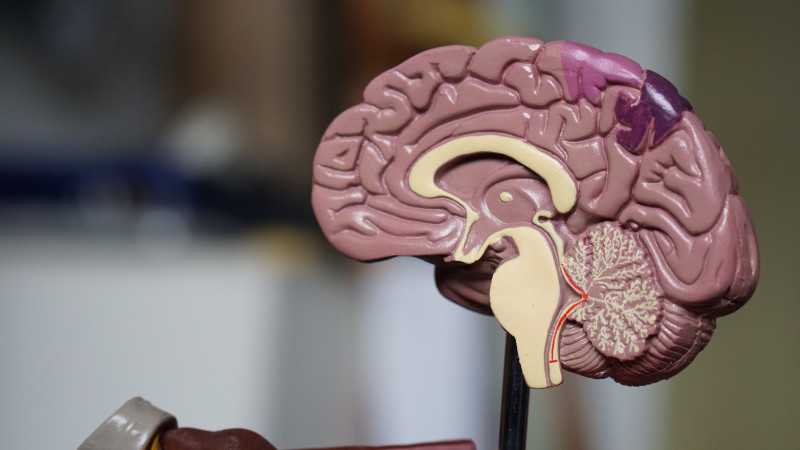
Robina Weermeijer/Unsplash
Memory problems in MS may be tied to the disease's cognitive symptoms, according to a new study. (Image from iStock)
- In a new study, memory problems in multiple sclerosis were strongly linked to nonmotor symptoms, including deficits in emotional processing.
- People with MS were found to have problems recognizing facial emotions and understanding others' mental states.
- The researchers say clinicians should consider memory function when evaluating and managing social cognition challenges in people with MS.
Problems with episodic memory, or the ability to remember personal experiences and events, among people with multiple sclerosis (MS) may be related to difficulties in interpreting emotions and understanding others — a known nonmotor symptom of the neurological disease.
That’s the main takeaway from a small study in France involving more than 50 people with one MS type who were assessed against 30 people without the condition. Many people with MS experience cognitive problems, and evidence has also shown that living with the chronic disease can affect social cognition, which involves the mental processes people use to interpret and respond appropriately to social information.
Among the individuals with MS in the study, worse episodic memory was significantly linked to poorer emotional processing and theory of mind, or the ability to infer another person’s thoughts, feelings, and intentions, according to the researchers.
“MS patients showed significant deficits in emotional recognition and [theory of mind], which correlated strongly with episodic memory performance,” the team wrote.
According to the researchers, these results underscore the need to “consider memory function in understanding and addressing [social cognition] difficulties in this population.”
The study, “Episodic memory deficits are associated with social cognitive impairments in multiple sclerosis,” was published in the Journal of Neurology.

MS is an inflammatory and neurodegenerative disease that affects the brain and spinal cord. In addition to better-known symptoms such as mobility, sensory, and vision problems, many people with MS experience cognitive difficulties.
Cognitive impairments often affect attention, information processing speed, working and episodic memory, and executive functions, which are higher-level mental skills involved in activities such as planning, decision-making, self-control, and switching between tasks.
The disease can also have effects on social cognition, or a person’s ability to recognize emotions and understand the mental state of others — the theory of mind. Additionally, MS can affect empathy. However, researchers do not fully understand whether these social difficulties occur independently or are related to other cognitive problems in MS.
Seeking to understand social cognition problems in MS
Now, a team led by researchers at the Université de Bordeaux set out to examine how social cognition difficulties in people with MS relate to episodic memory, executive function, and information processing speed.
The analysis was part of the EMOSOCIAL study (NCT02708927), which examined social cognition and social functioning in 58 adults with relapsing-remitting multiple sclerosis (RRMS), the most common type of MS. RRMS is characterized by periods of new or worsening symptoms, called relapses, interspersed with periods of remission in which symptoms ease and stabilize.
The study participants were recruited from two MS centers in France, along with 30 healthy individuals who served as a control group. The mean age in both groups was 34, and approximately 83% of participants were women. Those with MS had been living with the disease, on average, for 7.4 years. Each participant underwent a broad series of tests assessing standard cognitive abilities and social cognition domains.
Compared with the healthy controls, people with MS performed significantly worse on the Hexagon Test, which measures the ability to recognize another person’s emotions from their facial expressions. Importantly, according to the researchers, this poorer recognition of emotion could not be explained simply by difficulty recognizing faces, because performance on a separate facial-recognition test was not significantly impaired.
People with MS also performed significantly worse than healthy people on the Reading the Mind in the Eyes Test, a theory of mind measure that assesses the ability to infer others’ mental states from pictures of their eyes. No significant difference was found in measures of empathy.
The MS group also had lower scores on tests of information processing speed, executive function, and episodic memory compared with healthy controls, the data showed.

39% variation seen in emotional processing scores with MS
When the researchers first examined potential relationships between individual cognitive abilities and social cognition domains, the team found that better episodic memory was significantly associated with better emotional processing and theory of mind. It was not linked to empathy.
By contrast, executive function showed only a weak relationship with emotional processing, and no relationship with theory of mind or empathy. Neither working memory nor information processing speed was linked to any social cognition domain, the researchers noted.
In final analyses that simultaneously accounted for multiple variables, episodic memory remained significantly associated with performance on emotional processing tests for people with MS. Specifically, it explained 39% of the variation in emotional processing scores, meaning that differences in episodic memory accounted for more than a third of the differences in emotional processing observed among participants, according to the researchers.
In a separate analysis, episodic memory and state anxiety — short-term anxiety that arises in response to an immediate event — were each significantly linked to theory of mind, together explaining about a third of the variation in theory of mind scores.
Overall, “[episodic memory] deficits were strongly associated with [social cognition] impairment, particularly emotional processing,” the researchers wrote, noting that the findings demonstrate a need to consider episodic memory when evaluating and managing social cognition difficulties in people with MS.
The team, however, noted that the observed association “does not necessarily imply a causal relationship,” and that larger studies are needed to confirm the findings. In these future studies, it will also be key to “explore whether this association persists across all stages of the disease,” the researchers concluded.



Dianne Pymble-Ward
Thank you for this article. I’m 68 and have been living with relapsing remitting MS since I was 21. Blurred vision was my first symptom, but I thought I just had sleep in my eyes. It took a long time to be diagnosed, Having been a nurse, I told my GP I think I have MS, and he told me I was a bored housewife. I grateful for the research and advanced treatment available now.