
Anti-inflammatory diets may ease fatigue, boost physical health in MS
Study researchers say more trials are needed to better understand diets' effects
Written by |
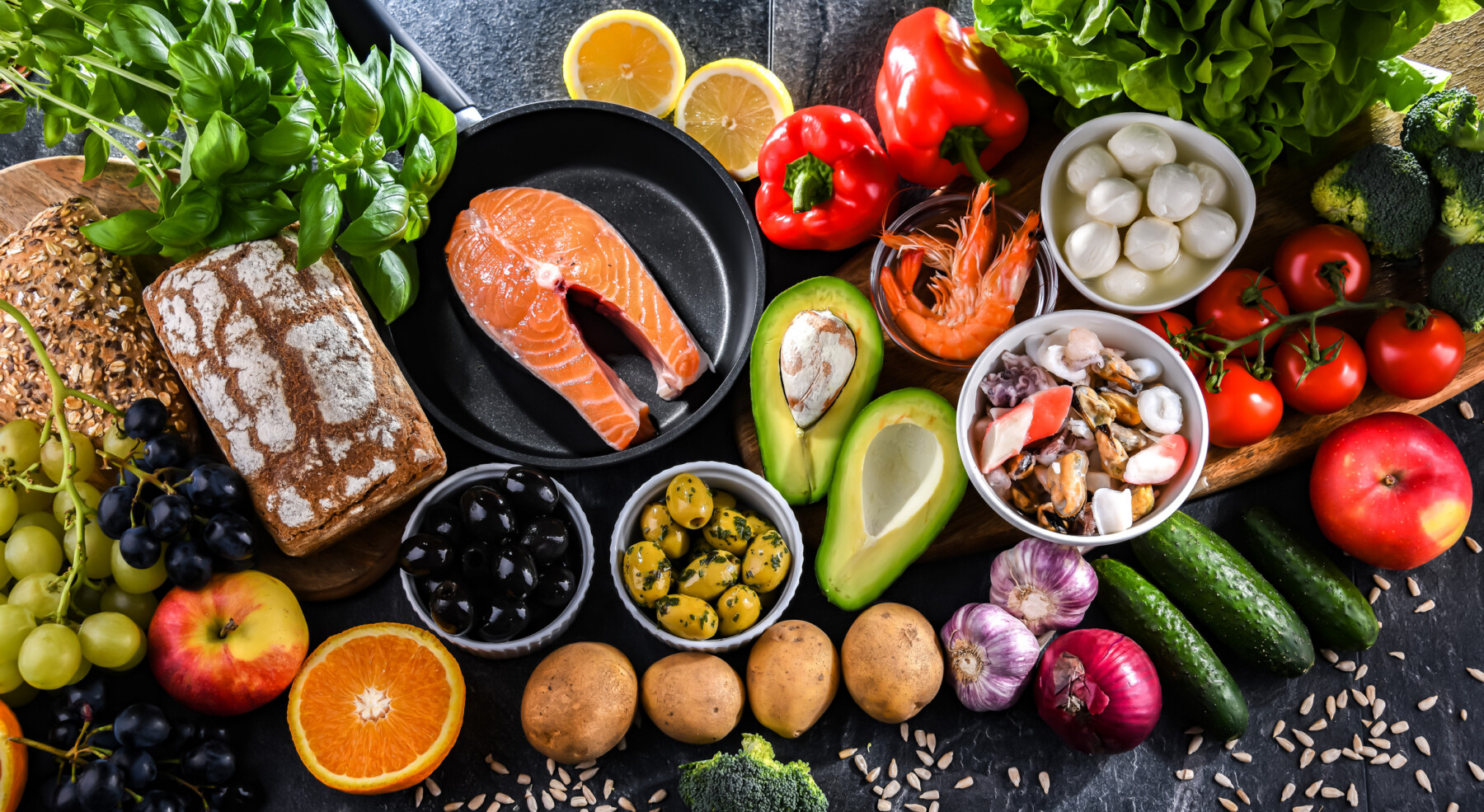
Anti-inflammatory diets may help to ease fatigue and improve overall physical health in people with multiple sclerosis, according to an analysis of clinical trial data. (Photo from iStock)
- Multiple sclerosis is an inflammatory disease affecting the brain and spinal cord.
- Anti-inflammatory diets may help to ease fatigue and improve overall physical health in people with MS, trial data show.
- Larger clinical trials are necessary to confirm dietary efficacy and generalizability across diverse populations.
Anti-inflammatory diets may help to ease fatigue and improve overall physical health in people with multiple sclerosis (MS), according to a new analysis of data from 10 clinical trials.
Findings also indicated that anti-inflammatory diets do not substantially alter body composition, disability status, or mental health in MS patients. Available data are limited, however, and researchers stressed that more studies are needed to better understand how different diets may influence MS.
“Additional trials assessing [biological], functional, and physical outcomes are warranted to fully evaluate anti-inflammatory diets’ efficacy in MS management,” researchers wrote.
The study, “Effect of anti-inflammatory diets based on complementary and alternative medicine in multiple sclerosis: a systematic review and meta-analysis of clinical trials,” was published in Nutritional Neuroscience.

MS patients usually advised to eat a well-balanced diet
MS is an inflammatory disease that affects the brain and spinal cord. Many studies have explored how different diets affect MS symptoms. Currently, there isn’t enough data to conclusively say that any particular diet is better for MS, and patients are usually advised to eat a well-balanced diet following general guidelines, such as consuming lots of fruits and veggies, and limiting processed foods.
Since MS is driven by inflammation, some studies have tested whether anti-inflammatory diets designed using complementary and alternative medicine approaches may have beneficial effects for people with the neurodegenerative disease.
In this study, scientists in Iran and the U.K. conducted a meta-analysis, in which data from previous studies are pooled and analyzed collectively. Since a meta-analysis includes data from large numbers of patients across many studies, the approach generally has more statistical power to detect meaningful effects.
“We conducted a comprehensive reanalysis of relevant [clinical trials] to determine the effectiveness of the anti-inflammatory diets in MS patients,” the researchers wrote.

MS patients on anti-inflammatory diet reported easing of fatigue
This analysis included data from 10 clinical trials in which some MS patients followed anti-inflammatory diets while others did not. Most of these studies were quite small — across the 10 studies, there were only 332 participants — and all but one were conducted in Iran.
Specific diets included in the studies included Mediterranean, hot nature, and antioxidant-rich diets. Each of these focuses on different foods and nutrients, but all are intended to have anti-inflammatory effects.
Results showed that MS patients on an anti-inflammatory diet reported significant easing of fatigue. Anti-inflammatory diets also led to statistically significant improvements on the Physical Health Composite Score, a measure of overall physical health.
“In the current systematic review and meta-analysis comprising 10 [clinical trials], adherence to the anti-inflammatory diets was shown to be effective in fatigue reduction and physical health improvement,” the researchers wrote. “These findings hold particular relevance for individuals living with MS, where fatigue and impaired physical functioning substantially diminish quality of life.”
Other measures, including assessments of physical disability, mental health, and inflammatory markers in the blood, did not significantly change in patients following anti-inflammatory diets. These diets also did not significantly alter body mass index, a ratio of weight to height that estimates body fat.
The researchers emphasized that this meta-analysis was limited to data from fewer than a dozen trials with small numbers of participants. Because most studies were conducted in Iran, the findings may not be generalizable to other geographical areas, “as dietary habits, genetic backgrounds, and access to complementary therapies can vary substantially across continents and cultural contexts,” the team wrote.
As such, they stressed that further research is needed to better understand how anti-inflammatory diets may affect MS.




Ms clare burns
Secondary progressive ms and chronic fatigue
Mary Hinze
I am currently on a GLP-1 diet as I am needing to lose weight for both health related reasons and ease of movement my husband who is my wonderful caregiver and my rock. The diet is very much anti inflammatory and where it is not it is easy to adapt to it. I have lost weight and have found my energy stores again. I no longer require an afternoon nap and now can get in/out of the door without assistance. Soon I feel that I will be able to reclaim parts of my life that I felt had been lost to me. It works!!
Chris Witschel
I believe that with this disease, all information is important to all of us being that all diagnosed are not the same. Being that leisions appear on differant parts of the Brain and spinal cord. That is part of what makes us all diferant.