
Exercise may shape gut bacteria in children with MS, study finds
Higher levels of anti-inflammatory microbes found in active youth with POMS
Written by |
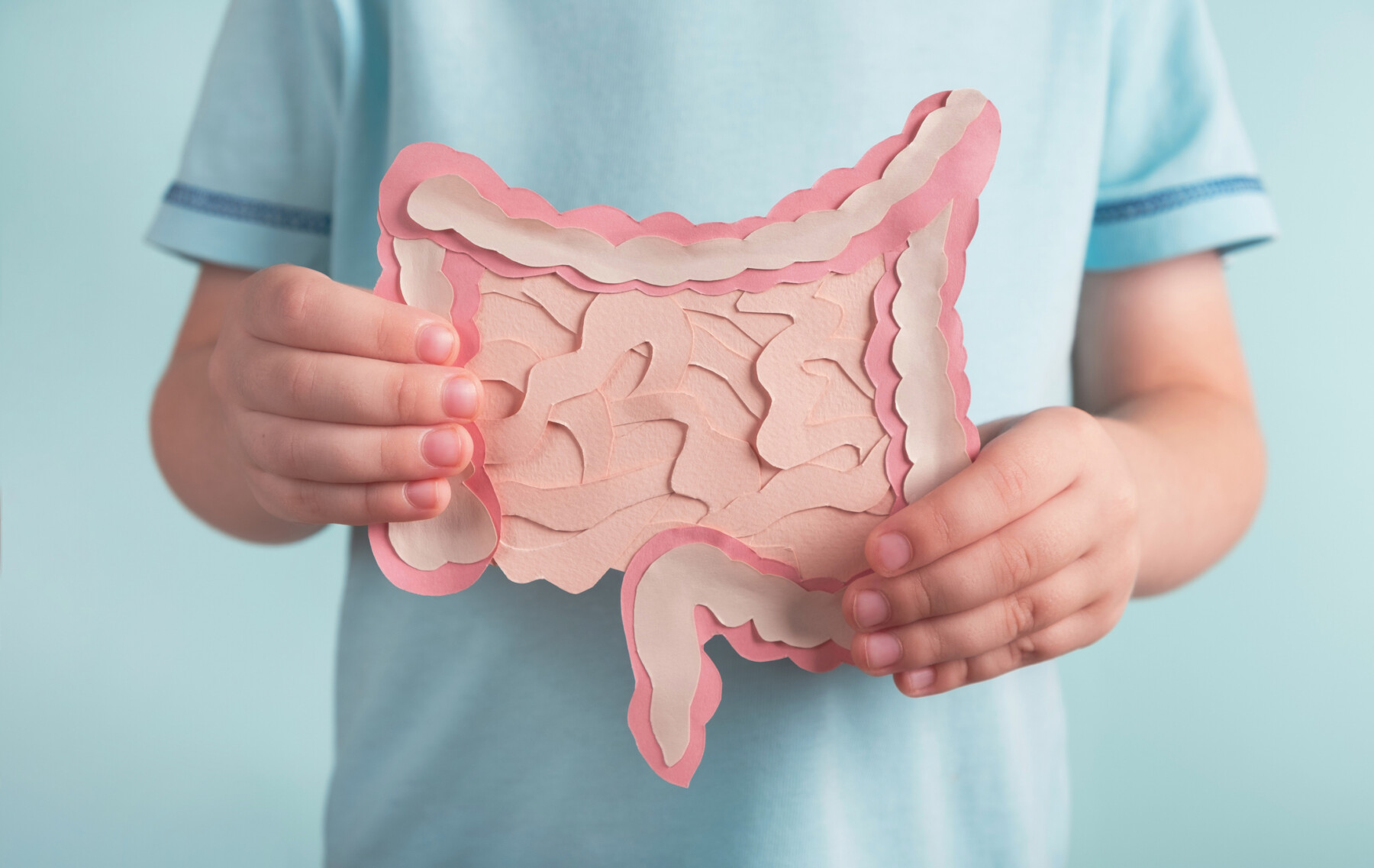
A small Canadian study suggests physical activity may be linked to distinct differences in gut bacteria among children and young adults with pediatric-onset MS, including higher levels of microbes that help regulate inflammation. (Photo from iStock)
- Physical activity in pediatric-onset MS is associated with distinct shifts in the gut microbiome, specifically higher levels of anti-inflammatory bacteria.
- Active youth showed elevated levels of protective microbes such as Roseburia, whereas inactive participants exhibited distinct bacterial compositions.
- Larger studies are necessary to confirm whether exercise directly shapes gut bacteria and influences MS progression.
Physical activity may be linked to differences in the gut microbiome — the community of bacteria and other microorganisms living in the digestive tract — among children and young adults with pediatric-onset multiple sclerosis (POMS), according to a small Canadian study.
While exercise was not associated with overall gut bacterial diversity, more active participants with POMS had different levels of certain bacterial groups than those who were less active. These differences were not seen in young people who had experienced a single episode of nervous system damage or in healthy individuals.
The findings point to “a potential role of physical activity as a modifiable factor influencing the gut microbiome in POMS,” researchers wrote, adding that larger studies are needed to confirm the results and determine whether exercise directly shapes gut bacteria.
The study, “Gut Microbiome and Physical Activity in Paediatric-Onset Multiple Sclerosis,” was published in Multiple Sclerosis and Related Disorders.

How exercise and gut health connect in POMS
MS occurs when the immune system mistakenly attacks myelin, the fatty sheath that surrounds nerve fibers in the brain and spinal cord, causing inflammation and nerve damage. Although the disease usually develops in adulthood, it can also begin during childhood or adolescence, a form known as POMS.
Young people with POMS face a substantial disease burden, including higher rates of depression and fatigue compared with their healthy peers. Previous studies have linked higher levels of physical activity to lower disease severity and fewer symptoms of depression and fatigue. However, the reasons behind these benefits remain unclear.
One possible explanation involves the gut microbiome. Gut microbes help digest food, produce substances that support gut health, and interact with the immune system. Research has shown that physical activity can influence the gut microbiome, while changes in gut bacteria have also been linked to MS.
“However, whether [physical activity] is associated with gut microbiome composition in POMS is unknown,” the researchers wrote.
To investigate, researchers in Canada analyzed previously collected stool samples from 113 people enrolled in a microbiome substudy of the Canadian Pediatric Demyelinating Disease Network between November 2015 and March 2018. Participants also completed questionnaires about how often they engaged in light, moderate, or strenuous physical activity during the previous week.
The group included 37 young people with POMS, 40 children with monophasic acquired demyelinating syndromes (monoADS), and 36 healthy individuals. MonoADS refers to conditions that also damage the myelin sheath but occur as a single episode, without further disease activity.
Distinct gut bacteria patterns in active vs. inactive youth
Results showed that young people with POMS tended to be less physically active than those with monoADS, who were nearly five times more likely to be classified as physically active.
Those who were active had higher levels of Firmicutes, a large group of bacteria that includes members of the Lachnospiraceae family, such as the genus Roseburia. Levels of Roseburia were about 2.5 times higher among active participants with POMS than among inactive participants.
Some of these bacteria, including Roseburia, produce short-chain fatty acids that help support gut health and regulate inflammation. Previous research in POMS has linked higher levels of Firmicutes and Roseburia to fewer MS-related brain lesions.
Inactive participants with POMS had about 55% lower levels of Firmicutes and 47% higher levels of another bacterial group called Bacteroidetes. They also had nearly four times as much bacteria of the genus Bifidobacterium, accounting for a median of 8.77% of gut bacteria compared with 2.36% among active participants.
This finding was unexpected because Bifidobacterium is generally considered beneficial for gut health, and studies in healthy people have typically linked greater physical activity to higher levels of these bacteria.
These associations were not seen in the other two groups, suggesting that a “unique” relationship between physical activity and gut microbiome may exist in POMS, the researchers wrote. The reasons for these differences remain unclear but may involve biological processes underlying MS, they added.
The researchers emphasized the need for larger studies that use objective measures of physical activity and account for factors such as diet, body weight, and medication use to confirm the findings before investigating whether the associations reflect a cause-and-effect relationship.




Leave a comment
Fill in the required fields to post. Your email address will not be published.