
Probiotics linked to less fatigue and depression in relapsing-remitting MS
Study researchers call for larger trials to confirm preliminary findings
Written by |

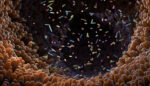
Adding probiotics to standard multiple sclerosis therapies may help reduce fatigue, depression, and disability levels in people with relapsing-remitting MS, according to trial data. (Photo from iStock)
- Patients with RRMS often experience debilitating fatigue, depression, and increased disability levels.
- Adding probiotics alongside standard therapies can help reduce fatigue and depressive symptoms, trial data suggest.
- Further large-scale clinical trials are required to confirm these preliminary findings and evaluate optimal probiotic strains.
Adding probiotics to standard multiple sclerosis (MS) therapies may help to reduce fatigue, depression, and disability levels, as well as improve quality of life, in people with relapsing-remitting MS (RRMS), according to data from a small clinical trial.
Probiotics are live microorganisms intended to support health.
Compared with patients who continued standard treatment alone, those who received probiotics for three months also showed lower levels of the pro-inflammatory molecule IL-6 and higher levels of the anti-inflammatory molecule IL-10.
“Adjunctive probiotic use was associated with favorable changes in fatigue, quality of life, depressive symptoms, disability, and inflammatory markers in patients with RRMS,” researchers wrote, adding that the findings are preliminary and that additional trials are needed to confirm the observed associations.
The study, “Probiotics as a promising adjunct: associations with fatigue, quality of life, disability, mood, and inflammatory markers in Egyptian patients with relapsing–remitting multiple sclerosis,” was published in The Egyptian Journal of Neurology, Psychiatry and Neurosurgery.
Gut microbiome a growing area of MS research
MS is an autoimmune disease in which the immune system mistakenly attacks healthy tissue in the brain and spinal cord. Researchers are still trying to understand exactly how the disease develops, but both genetic and environmental factors are thought to contribute.
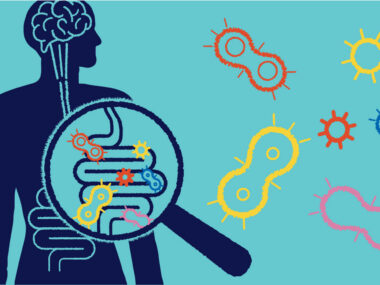
Among the environmental factors studied in MS, a growing area of research is the gut microbiome, the community of microorganisms that live in the digestive tract. Changes in the gut microbiome have been associated with abnormal immune activity and inflammation in MS.
The gut communicates with the brain through the so-called gut-brain axis. Molecules produced by gut microbes may influence immune responses and immune activity within the brain and spinal cord, providing a rationale for investigating whether probiotics that aim to restore the normal composition of gut microbes could complement established MS treatments. However, previous studies have produced inconsistent findings.

Quality of life improved across all domains
In this study, researchers in Egypt aimed to determine whether adding probiotics to standard treatment for three months could improve outcomes for people with RRMS. Their open-label study (NCT07346924) involved 60 adults who had been clinically stable for the previous year on a disease-modifying therapy (DMT).
Participants were randomly assigned to receive probiotics for three months in addition to their DMT or continue their DMT alone. The probiotic group consumed two cups of commercial probiotic yogurt daily containing several bacterial strains, including Bifidobacterium and Lactobacillus, along with one daily yeast tablet containing Saccharomyces cerevisiae.
Results showed that total fatigue scores fell significantly in the probiotic group after three months, whereas they remained essentially unchanged in the control group. Improvements were also seen across the physical, cognitive, and psychosocial components of fatigue.
Disability scores and depression also decreased significantly in the probiotic group while remaining similar or worsening slightly among controls.
Quality of life improved across all domains, including physical and social functioning, general health, vitality, mental health, bodily pain, and the extent to which physical and emotional problems interfere with daily functioning.
These findings are preliminary and should not be interpreted as evidence of definitive clinical efficacy or probiotic-induced modification of the gut microbiome..
Finally, the probiotic group showed a marked decline in IL-6 and an increase in IL-10. Higher IL-6 levels at three months were associated with greater fatigue and accounted statistically for about 15% of the variation in fatigue scores.
All participants completed the study, and no serious or treatment-related adverse events were reported.
Among the study’s limitations were its open-label design, meaning participants and researchers knew which treatment each participant received, and the lack of a placebo control. The intervention also combined probiotic yogurt with yeast, making it impossible to determine the contribution of each component.
The study also did not measure the composition or function of the gut microbiome, so it cannot show that the treatment altered gut microbes or that microbiome changes were responsible for the clinical findings.
For this reason, the researchers concluded that “these findings are preliminary and should not be interpreted as evidence of definitive clinical efficacy or probiotic-induced modification of the gut microbiome.”



Leave a comment
Fill in the required fields to post. Your email address will not be published.