
















Skip to content
Multiple Sclerosis News Today logo
Newsletter
  • About MS
    Multiple sclerosis overview
    • Causes and risk factors
    • Symptoms
    • Diagnosis
    • Prognosis
    Treatments options for MS
    • Approved treatments
    • Experimental treatments
    • Stem cell therapy
    Types of MS
    • RRMS
    • SPMS
    • PPMS
    • CIS
  • Living with
    Living with MS
    Mental health
    McDonald criteria
    Foods to eat and avoid
    Exercise
    MS hug
    Cannabis and MS
    MS spasticity
    Heat sensitivity
    MS in men
    MS in women
    Support and resources
  • Community
    Awareness Month
    Perspectives
    • Authentically Human – Desiree Lama
    • Balancing Grit and Grace – Ahna Crum
    • Chairborne — Ben Hofmeister
    • Rhythms and Routines – Susan Payrovi, MD
    Archived Columns
    • A Life in Letters — Jamie Hughes
    • Delicate Balance – Leigh Anne Nelson
    • DISabled to ENabled — Jessie Ace
    • Dive to Fight MS – Mike Parker
    • Fall Down, Get Up Again — John Connor
    • Goldilochs — Stephen De Marzo
    • Patiently Awakened — Teresa Wright-Johnson
    • The MS Wire — Ed Tobias
    • Silver Linings — Jennifer Powell
    In memoriam
    • Through the Looking Glass — Beth Shorthouse-Ullah
    Guest Voices
  • News
  • Forums
  • Resources
    Expert voices
    • Exercise
    • Pain management
    • Cannabis use
    • Diet and nutrition
    • Financial planning
    • Managing fatigue
    • Sleeping well
    • More
    Video & Podcasts
    • Get Tough on Multiple Sclerosis Video Series
    • Get Tough on Multiple Sclerosis Podcast
    • The Multiple Sclerosis Podcast
    • Worth the talk

    • Embarking on the MS journey
    Featured Topics
    • Newly diagnosed guide
    • MS pathways
    • Living strong
    Advocacy partners
    ACTRIMS

Taking MS brain symptoms seriously

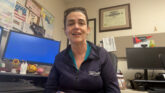
Lindsay Kelly, a multiple sclerosis caregiver advocate, shares how cognitive symptoms shaped her husband’s diagnosis and why brain-related changes in multiple sclerosis are often overlooked.

Transcript

One of the things that I found with MS or autoimmune diseases in general, and talking with the clinicians or the doctors, is that there’s a disconnect in how MS affects your brain.

Read More

And so that was one of the biggest struggles I had with getting my husband diagnosed with progressive MS is his was manifesting mentally. And so, he physically was fine. But mentally, he had short-term memory loss or a lot of mood swings.

The doctors work a lot with the physical aspect of autoimmune diseases, and it affects your brain as well. MS causes scarring all over your brain.

So it makes sense that some of these autoimmune diseases that caused those kind of scars on your brain would impact you in a way where it’s kind of like a, a TBI, if you would. It just affects people mentally.


More videos

MS is your disease — own your care
How quality of life shapes MS treatment decisions
5 reasons to talk about changing MS treatment
Setting realistic expectations for MS treatment
See more videos

  Subscribe to our newsletter

Get regular updates to your inbox.

This field is for validation purposes and should be left unchanged.

Bionews Logo Bionews, Inc.

3 W Garden St
Suite 700
Pensacola, FL 32502
Website: bionews.com
Email: [email protected]
Phone: 1-800-936-1363

  • Multiple Sclerosis News Today on Facebook
  • Multiple Sclerosis News Today on X
  • Multiple Sclerosis News Today on Instagram
  • Multiple Sclerosis News Today on SoundCloud
  • Multiple Sclerosis News Today on Pinterest
  • Multiple Sclerosis News Today on Threads
  • Multiple Sclerosis News Today on Bluesky
  • Multiple Sclerosis News Today on YouTube
  • About Us
    • Our Culture
    • Leadership
    • Careers
    • Contact Us
  • Explore More
    • Advertising Policy
    • Corrections Policy
    • Editorial Policy
    • Privacy Policy
    • Terms of Service
Disclaimer

This site is strictly a news and information website about the disease. It does not provide medical advice, diagnosis or treatment. This content is not intended to be a substitute for professional medical advice, diagnosis, or treatment. Always seek the advice of your physician or other qualified health provider with any questions you may have regarding a medical condition. Never disregard professional medical advice or delay in seeking it because of something you have read on this website.

Copyright © 2013-2026 All rights reserved.

Log in

Don't have an account?

Log in

[wppb-login register_url="/register" lostpassword_url="/recover-password" ajax=true]

|

Register

Already have an account?

Register

Create your account by filling in the information below:

[wppb-register redirect_url="/welcome" ajax=true]

By creating an account, you are agreeing to the Privacy Policy and Terms of Service.

Reset Password

[wppb-recover-password ajax=true]