
FDA clears CTA313 trial for progressive MS, autoimmune diseases
Basket study will test off-the-shelf CAR T-cell therapy in 3 conditions
Written by |
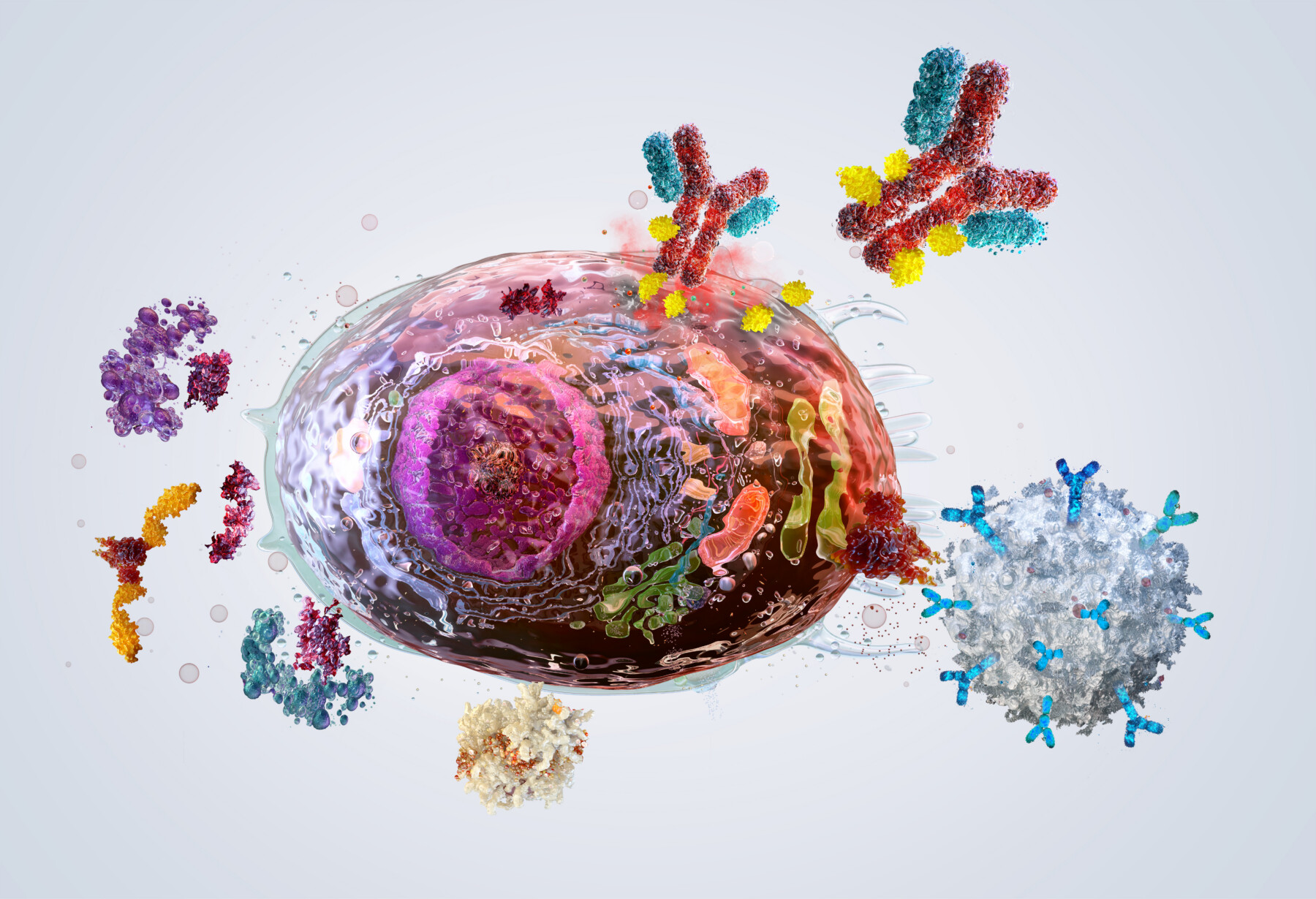
CTA313 is an investigational off-the-shelf CAR T-cell therapy designed to target immune B-cells involved in autoimmune diseases such as progressive multiple sclerosis. (Photo from iStock)
- FDA cleared a trial for CTA313, an off-the-shelf CAR T-cell therapy.
- It targets progressive multiple sclerosis and other B-cell-driven autoimmune diseases.
- The therapy aims to deplete B-cells and may help reset immune activity.
Imviva Biotech is cleared to launch a basket Phase 1b trial testing its investigational off-the-shelf CAR T-cell therapy CTA313 in progressive multiple sclerosis (MS) and other B-cell-mediated autoimmune diseases.
The announcement follows the clearance of the company’s investigational new drug (IND) application by the U.S. Food and Drug Administration (FDA).

Trial to span 3 autoimmune diseases
In addition to progressive MS, the trial will evaluate the therapy’s safety, efficacy, and cellular pharmacokinetics in people with systemic lupus erythematosus — the most common form of lupus — and autoimmune encephalitis, a rare condition in which the immune system mistakenly attacks the brain, causing inflammation.
This basket design is intended to help researchers detect early signs of safety and efficacy across different conditions, while maintaining the flexibility to advance into Phase 2 testing in the most promising indications, the company said in a press release.
Many autoimmune diseases are driven, at least in part, by B-cells, a type of immune cell that normally helps protect the body from infections by producing antibodies. In MS and other autoimmune disorders, however, certain B-cells can contribute to harmful immune attacks against the body’s own tissues.
One emerging strategy for treating these conditions is CAR T-cell therapy, which involves engineering immune T-cells to recognize and destroy cells believed to drive disease. The approach is already approved for several blood cancers and is increasingly being investigated for autoimmune diseases, where the goal is to eliminate abnormal immune cells and potentially reset the immune system.
CTA313 is a CAR T-cell therapy designed to target two proteins found on B-cells and related antibody-producing cells: CD19 and BCMA. By simultaneously targeting both proteins, the therapy is intended to achieve deeper and more durable depletion of the immune cells believed to drive autoimmune disease.
Off-the-shelf design may speed access
Unlike traditional CAR T-cell therapies, which are made individually from a patient’s own cells, CTA313 is an allogeneic therapy produced from healthy donor cells. Because it can be manufactured in advance and stored until needed, it is considered an “off-the-shelf” treatment, potentially allowing patients to receive therapy without the delays associated with collecting and engineering their own cells.
“Our off-the-shelf approach means eligible patients could potentially receive treatment more quickly – without the delays that can be life-threatening for those facing rapidly progressing disease – while also reducing their burden by eliminating the need for apheresis,” Jan Davidson-Moncada, MD, PhD, Imviva’s chief medical officer, said in a company press release.
The therapy was developed using Imviva’s proprietary ANSWER platform, which incorporates additional genetic modifications intended to help donor-derived CAR T-cells evade immune rejection and remain active in the body long enough to exert a therapeutic effect.
“This FDA clearance validates not only CTA313 as a therapeutic candidate, but the broader versatility of our ANSWER platform technology,” Davidson-Moncada added.
CTA313 has already shown encouraging results in an ongoing open-label Phase 1/2 trial in China involving people with systemic lupus erythematosus or lupus nephritis. Results presented earlier this month showed that 50% of evaluable patients achieved remission at one year after a single infusion of the therapy, while 75% had reached a low disease activity state at one year.
The treatment also led to deep depletion of B-cells and sustained reductions in disease-associated autoantibodies. Antibody levels that had fallen after treatment returned to normal after B-cells recovered, while autoimmune anti-dsDNA antibodies remained undetected up to one year.




Helen Moore Powell
Over the counter crap doesn't work. Approve Stem Cell Therapy for MS
Melva Watson
I rely on receiving MS updates from you as my only known source for such a wide variety of MS related topics- especially regarding new treatments and clinical testing. I am most encouraged… Thank you!
Paul Maier
I live in red deer albeŕta canada and have been interested in car t treatments. Any advice?
Paul
Neil REYNOLDS
I am 76 and suffer from primary progressive late onset multiple sclerosis. Is there any treatment to help with the condition.
Jacklynn
Hello. I have PPMS and would love to take part in any study for a possible treatment and/or cure.
Vinceanna Barker
Are there any drugs for MS, especially for older patients? It seems after 65, there is nothing more physicians can do except tell us that "the MS fire dies down in seniors". I've had two neurologists and one P.A. to tell me this. So, can you direct me to any studies for senior citizens?
Lesley Freke
I have had MS for40 years. It got worse very very slowly but now it impacts on my balance and affects my walking. I now need a walker to get around the house and outside. This new treatment trial gives me hope that I will see some improvements to my care.
Deborah Stein
How do I sign up? I have Progressive MS
Lesley Freke
I have MS for 40 years, which is in remission, but has left me with walking, and balance issues.
Marsha
I've been told that the muscles in my legs are too far gone to ever let me walk again. I really do not want to accept this or be confined to a wheelchair for the rest of my life. I have had this monster for over 20 years.
Anna Chafe
This sounds very promising! I pray that this will work for MS!
Adele George
I live in UK and have PPMS
I will try any trial for PPMS
Arnita Brooks
I have PPMS and I'm interested in participating in clinical trials. To help us with PPMS.
Janette Bogar
My husband has PPMS and this treatment sound very promising. Do you have any information on how to sign up for treatment.
Mary Packard
I would love to be part of these trials!
Trisha Shipley
I have RRMS for 9 yrs. I have 19 lesions in my brain. Is is progressing bad to the complex region pain syndrome to my offside of my body and gums. I am losing my life. Please let me be in a trial. I am 61. I want to live.
Sharon Casella
My husband has Secondary Progressive MS. He is miserable. Looking to participate in any studies available
Pamela McWilliams
I have Progressive MS.
brian waterman
please allow a cure for MS
Antonina fichera
Extremely hopeful
Melanie Deak
I am happy to volunteer as a guinea pig if you want me. I am 68 and have nothing to lose; being a participant in ongoing development of a cure will help people facing MS in the future,
Mark Jones
Thank you for the information
I have primary progressive MS I live in the UK ( Liverpool ) I am a man and my age is 68
Based on this article can I be considered to take part in this trial
Please advise if possible
Kind regards
Mark
Diane MacNeil
Hi, my name is Diane, its for my husband, Disma Plourde, hes got progressive MS, hes had alot of those treatments, hes on his last one his doctor said that they are trying , its mavenclad, he's on his 2nd year, just starting treatment today as a matter of fact, he would love the to try your trial, is walking is very bad, he drags his left leg, cant lift it at all, and the right one is doing double the work. Hips are starting to hurt. Help..
Adele George
I have PPMS age 56 ,,, I would like to apply for a trial that’s available for me
Amanda West
Very interested to Car T cell therapy. I have 2ndry progressive NS (42 years) and am optimistically awaiting some form of treatment.