
Blood test may help doctors spot MS relapses sooner, study shows
Test uses biomarkers to differentiate true relapses from false alarms
Written by |
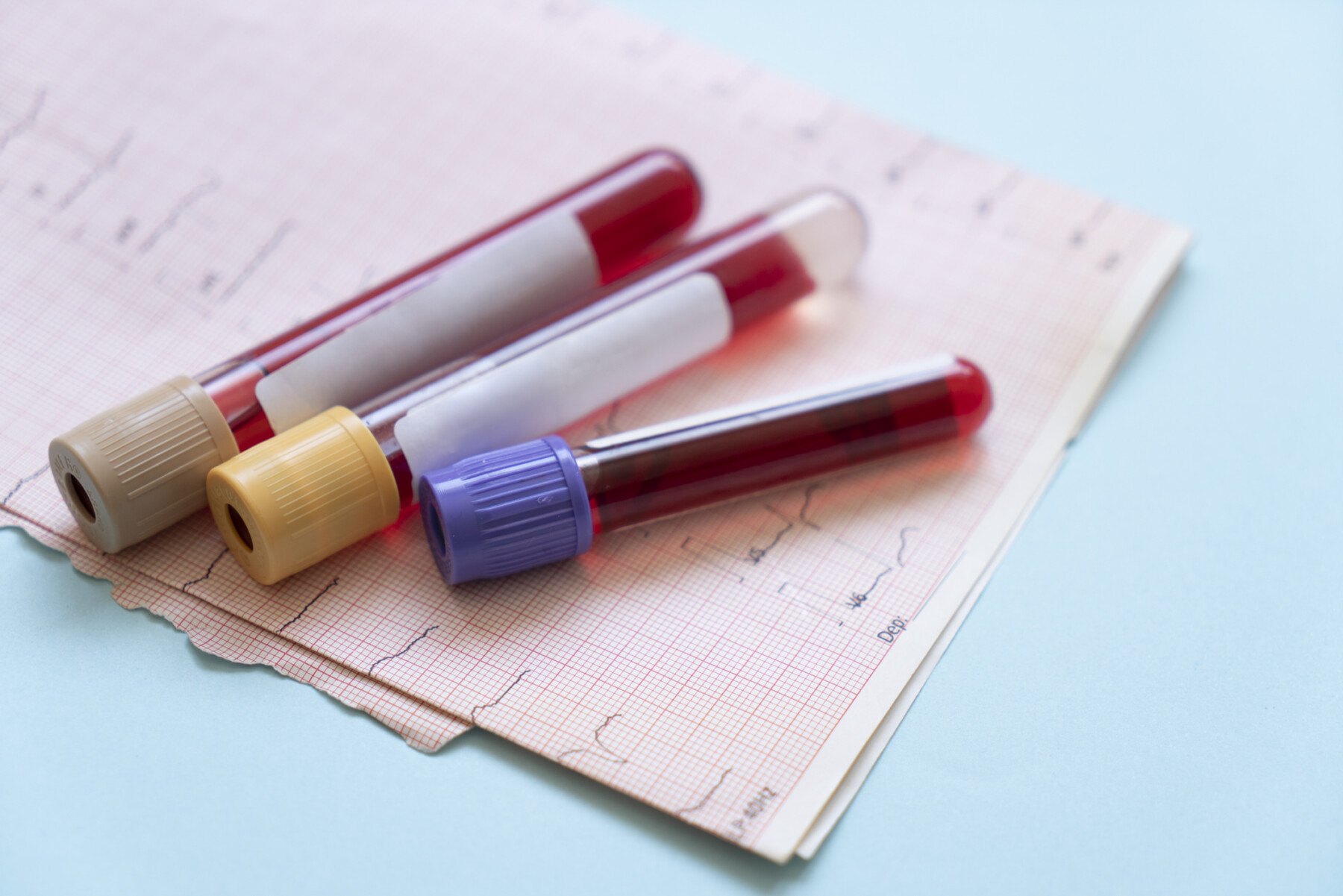
Octave Bioscience has developed a test to differentiate MS relapses from pseudoexacerbations. (Photo by iStock)
- A blood test helps distinguish true multiple sclerosis relapses from pseudoexacerbations.
- The Octave MSDA test uses 18 biomarkers to identify active inflammation with high accuracy.
- This test offers faster, objective information for earlier treatment decisions in multiple sclerosis.
A test using data from 18 blood biomarkers to track disease activity in multiple sclerosis (MS) was able to distinguish true MS relapses from symptom worsening unrelated to active inflammation with high accuracy in a small real-world study.
The findings suggest Octave Bioscience’s Multiple Sclerosis Disease Activity (MSDA) test may help clinicians make more informed decisions when evaluating people with new or worsening symptoms, potentially supporting earlier treatment decisions while MRI results are pending.
“Understanding the biology underlying each patient’s disease is essential to managing MS well, and blood-based biomarkers are making that biology measurable in everyday practice,” Terrie Livingston, vice president of medical affairs at Octave, said in a company press release. “Evidence like this moves the field closer to care guided by a clear, objective picture of what a patient’s disease is doing, so the right clinical decisions can be made at the right time for the people who depend on them.”
The study, “Utility of Multi-Analyte Protein Assay to Distinguish Multiple Sclerosis Clinical Relapse from Pseudoexacerbation,” was published in Neurology and Therapy. The authors did not report a funding source for the work, and Octave was not directly involved in the study.

Real flare or pseudo relapse?
MS is marked for most patients by relapses (also called exacerbations or flares), periods when MS symptoms suddenly worsen. In a true MS relapse, the symptom worsening is driven by new inflammation in the nervous system, and anti-inflammatory treatments can bring symptoms under control.
But people with MS can also experience so-called pseudoexacerbations, in which symptoms worsen for reasons other than MS activity. For example, a fever or hot weather may cause a temporary worsening because a slight increase in temperature can slow the transmission of electric signals along nerve cells, a process that’s already disrupted in MS. These changes are not driven by new underlying inflammation, and symptoms usually go away once the person has cooled down.
Differentiating true MS relapses from pseudoexacerbations is a longstanding challenge in MS care. Traditionally, doctors use MRI scans to detect new inflammation in the nervous system, but these exams are costly and can’t always be performed promptly.
Octave’s MSDA looks at levels of 18 blood markers to evaluate MS disease activity, with the goal of providing clinicians with actionable information that can be obtained easily and quickly. The test became commercially available in the U.S. last year, and soon after it became part of routine care at The University of Texas Southwestern Medical Center.
Researchers at that center described their experience with the test in a study involving 66 patients. Half of the participants had experienced a worsening of symptoms indicative of a possible relapse. MRI imaging determined that 10 of them had signs of active inflammation and were therefore experiencing a true disease relapse.
Statistical analyses showed that Octave’s MSDA could identify patients with inflammatory MRI activity with 100% sensitivity and 94% specificity. In other words, the test accurately identified all of the patients who had inflammatory activity and 94% of those who didn’t.
The Octave test was more accurate than measurements of neurofilament light chain (NfL), a blood biomarker of nerve damage that’s been used to track disease activity in MS and other neurological diseases.
“We have demonstrated that [the Octave MSDA test] provided patient specific information associated with an MRI-confirmed acute relapse,” the researchers wrote. “We also identified that the [Octave test] was superior to NfL alone in the prediction of [MRI inflammatory activity] in all studied subjects.”
Darin T. Okuda, MD, the study’s lead author and a neurology professor at the medical center, said the results “suggest that the MSDA Test may provide clinicians with additional objective information to complement clinical evaluation and MRI when assessing patients presenting with new symptoms.”
This type of blood test may eventually provide faster and cheaper ways of identifying MS relapses than traditional MRI-based approaches, the researchers said.
“While additional prospective studies are warranted, this research represents an important step toward more informed clinical decision-making,” said Okuda.



Lynn Lancaster
I asked my doctor for this test. I was told I had to go through a specific lab. After calling two sites, one called me back and asked me if I had a kit. I had no idea I needed a kit. I called the company and left a voicemail. By that time I was too exhausted to deal with it. It’s a blood test. MS is enough to deal with. Please make it easier on us. If we’re calling for the test at least mention this kit then. Better yet have it at the lab. Don’t make it complicated.