
What MS patients eat may shape their disability scores in 1 year
Strictly sticking to a menu of fresh veggies and lean protein helped the most
Written by |
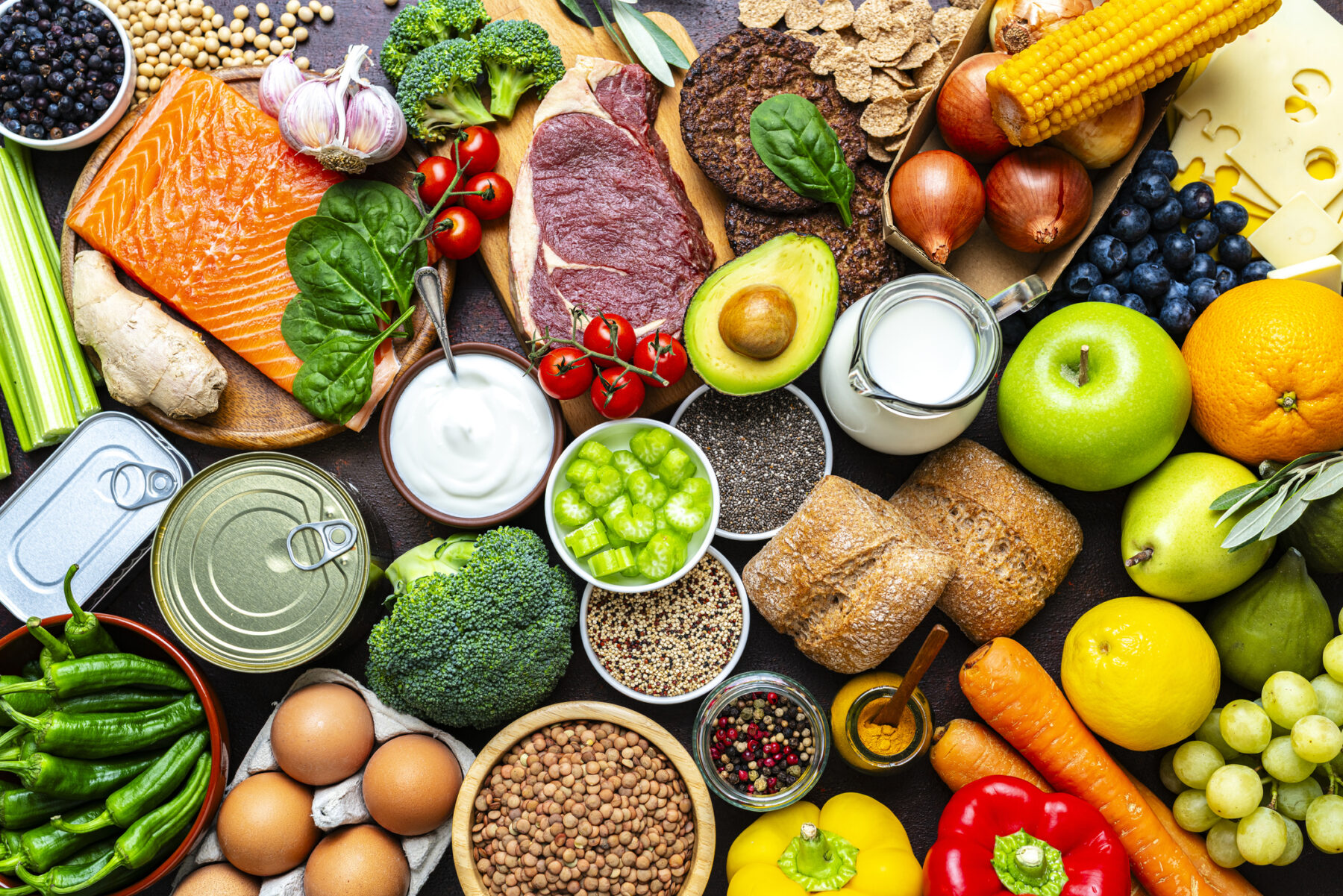
Adherence to a diet rich in vegetables, lean proteins, and fruits is linked to slight improvements in MS disability scores over a year, while lower adherence was tied to worsening scores, according to a study. (Photo from iStock)
- For people with MS, diet can impact disability progression scores over one year.
- High adherence to a diet of fresh vegetables, fruit, and lean proteins improved physical disability scores.
- Low adherence to this healthy eating plan led to slightly worsening disability scores.
People with multiple sclerosis (MS) who more closely adhere to a diet rich in vegetables, fruit, and lean proteins may experience slight improvements in physical disability scores over time, a small prospective study suggests.
Conversely, researchers found that patients who did not stick closely to the healthy eating plan saw their disability scores slightly worsen over the course of a year. Specifically, disability scores increased slightly among patients with low adherence but decreased among those with high adherence.
While the research suggests better clinical outcomes in people with higher adherence to a structured dietary intervention, researchers emphasized that the findings are exploratory and hypothesis-generating.
“These exploratory findings require confirmation in larger controlled studies,” they wrote in the study “Dietary adherence and disability evolution in multiple sclerosis: an exploratory 12-month prospective cohort study,” which was published in Clinical Nutrition ESPEN.

Dietary counseling in clinical practice
MS is a chronic disease in which the immune system mistakenly attacks the brain and spinal cord, leading to inflammation and damage that contribute to worsening disability over time.
While disease-modifying therapies can help control inflammation and slow the accumulation of disability in people with MS, there are certain lifestyle modifications that people may explore as a means to complement their MS treatments.
A healthy diet has gained significant interest in the MS community because it is easy to adopt and is known to influence inflammation, metabolism, and neurodegeneration. However, few robust studies have examined whether adhering to a specific diet actually affects patient outcomes.
To explore this, researchers in Spain followed 41 adults diagnosed with MS who received individualized dietary counseling as part of their routine clinical practice. While menus were tailored to each person’s needs and preferences, they all followed the same nutritional framework, emphasizing vegetables, fruit, dairy, fish, and other lean proteins, and limiting processed foods, sugary products, and excess salt.
At the start of the study, participants had an average Expanded Disability Status Scale (EDSS) score of 1.14, indicating generally low disability. The EDSS is a standard measure of disability in MS, with higher scores reflecting greater disability levels.
For this study, the researchers developed a tool to monitor adherence, with higher scores indicating more sustained adherence to the prescribed dietary plan. By the end of follow-up, 24.2% of participants had high adherence, 30.3% had moderate adherence, and 45.5% had low adherence.
Over one year of follow-up, disability scores increased slightly across the entire study group, from 1.14 to 1.23 points, although this was not statistically significant.
However, disability trajectories differed by adherence level. EDSS scores increased by an average of 0.53 points among patients with low adherence, remained unchanged among those with moderate adherence, and decreased by 0.56 points among those with high adherence.
When adherence was analyzed as a continuous measure, greater adherence was also associated with less disability progression after accounting for factors such as initial disability levels, age, sex, body mass index (a measure of body fat), and number of previous treatments.

Study limitations and next steps
Overall, the findings suggest that “higher adherence to the dietary counselling programme was associated with a more favourable short-term disability trajectory over 12 months,” the researchers wrote.
However, the team cautioned that the study was small, involving 41 participants, lacked a control group, and relied on a dietary adherence score that has not been formally validated. Additionally, because the dietary counseling was personalized, the study could not isolate which specific foods, nutrients, or eating patterns may have influenced disability outcomes.
Even so, the researchers said their findings support further studies exploring whether sustained healthy eating could complement existing MS treatments in slowing disability progression.




UKSteve
Do any PPMS sufferers noticed Keto working for them?
Catherine Maynard
What can you think when your
sons MS doctor tells you there
Is really no specific diet to follow for MS. I don’t think that
answer is correct!
Petro van Rooyen
I was diagnosed with MS in 1999 at age 47 but experienced symptoms since 1987. I stopped using sugar since the year 2000 and have followed a health diet (no meats and fats and avoiding starches) for at least 20 years. I have never used any of the prescribed MS medicines due to its side-effects. The only medicine I used during a relapse was cortisone. I became wheelchair bound since 2010.