
Mouse study shows how high-fat diet might trigger brain damage in MS
Scientists find more dietary fat alters gut bacteria, worsening disease
Written by |

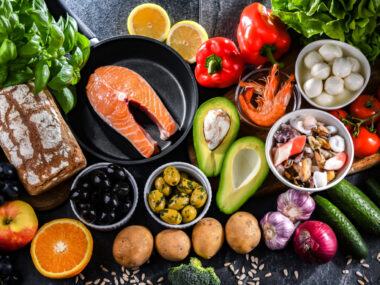
A high-fat diet may ultimately lead to brain damage in MS, a study in mice suggests. (Image from iStock)
- A high-fat diet may worsen multiple sclerosis disability by altering gut bacteria and increasing immune cell entry into the brain, a lab study suggests.
- Research in a mouse model showed that key drivers of neurological damage are linked to dietary fat intake in MS.
- Administering probiotics or targeted medications successfully reduced the disease-worsening impacts of high-fat diets in preclinical models.
A high-fat diet may lead to worse disability in people with multiple sclerosis (MS) by altering the composition of gut bacteria, leading to changes in the number of immune cells that enter the brain, a study in mice suggests.
According to the researchers, these findings show how a diet high in fat may ultimately cause neurological impairment, or worse brain damage, in people with MS.
In further lab experiments, the scientists showed that administering probiotics — live microorganisms that can benefit gut health — reduced the impact of a high-fat diet on disability. Medications to block the movement of immune cells into the brain likewise reduced this impact.
Those results suggest this newly identified mechanism may have implications for the development of MS treatments, the team noted.
“While further studies are required to define the contribution of this gut-immune-brain axis to human disease, our findings position dietary fat as a modifiable determinant of [neurological damage in MS] and the gut microbiota as a regulatory node within a metabolically instructed gut-immune-brain circuit,” the researchers wrote.
More simply put, “we demonstrate that dietary fat reshapes the gut microbiota,” the community of microorganisms, predominantly bacteria, that live in the gastrointestinal tract, aiding “reprogramming” of immune T-cells, and “[facilitating] their infiltration into the CNS,” or central nervous system, comprising the brain and spinal cord, the team wrote. The end result, the scientists suggest, is “diet-driven neuroinflammatory damage.”
An early-access version of the study, “High-fat diet promotes T cell-mediated synaptic dysfunction in multiple sclerosis,” was published in the Journal of Neuroinflammation.

Diet can have a profound impact on a person’s health. In MS, prior studies have shown that a high-fat diet is linked with elevated markers of inflammation in the blood, and that obesity is tied to higher disease risk and worse physical disability. Still, the specific mechanisms connecting dietary fat and disease activity in MS remain poorly understood.
Mice on high-fat diet had more severe MS-like symptoms
To learn more, a team of researchers in Italy first analyzed cerebrospinal fluid (CSF) — the liquid that surrounds the brain — from 226 people with MS. The researchers noticed that, in obese patients, there was a significant association between worse disability and higher CSF levels of a signaling molecule called glutamate. No such link was found in non-obese patients.
Glutamate is a powerful excitatory neurotransmitter, which means it directs nerve cells to fire electrical signals. When glutamate levels are too high, nerve cells will fire more often than they should. This can lead to damage in the connections between nerve cells, which is known as synaptotoxicity.
Based on these findings, the researchers speculated that higher dietary fat may increase glutamate in the brain, ultimately resulting in synaptotoxicity that leads to worse disability.
To test this idea, the team assessed the effects of a high-fat diet in mice with experimental autoimmune encephalomyelitis (EAE), a lab-induced disease commonly used to model MS.
In line with the human data, the researchers found that EAE mice fed a high-fat diet developed more severe disease symptoms, and also showed elevated levels of glutamate in the brain. Interestingly, according to the scientists, a high-fat diet also increased brain glutamate levels in healthy mice, suggesting that this effect doesn’t require the individual to have an autoimmune disease.
The scientists then wanted to better understand exactly how dietary fat alters brain glutamate levels. To that end, the team conducted a series of tests in mice with and without EAE, focusing specifically on how diet affected inflammatory immune cells and the gut microbiota.

Findings suggest potential new treatment strategy for MS
The researchers found that a high-fat diet led to changes in gut bacteria, including a reduction in Lactobacillus, a group of bacteria that has been shown to help regulate immune activity.
When the mice were given a probiotic containing Lactobacillus and other immune-regulating bacteria, the effects of a high-fat diet on brain glutamate levels were blunted, the team noted. This suggests that the effects of dietary fat on the brain are mediated in part by the gut microbiota.
At the same time, the high-fat diet was also associated with a greater activation of immune T-cells, prompting the cells to migrate more efficiently into the brain. Once in the brain, these cells may trigger an inflammatory environment that can damage nerve cells, the team noted. Blocking the movement of T-cells into the brain similarly reduced the disease-worsening effects of a high-fat diet, the researchers found.
Collectively, these data suggest that dietary fat alters gut bacteria, which in turn causes immune dysfunction and increased migration of T-cells into the brain, ultimately driving inflammatory damage, according to the team.
The researchers cautioned that their findings are based mainly on experiments in mice, so more work is needed to see if this mechanism also applies in humans. But if it does, this mechanism might be able to be targeted with probiotics or medication to reduce disability in MS, the scientists say.
“These findings identify a gut microbiota-T cell axis by which dietary fat drives immune–metabolic signaling underlying synaptotoxicity, defining modifiable pathways with therapeutic potential,” the scientists concluded.



Leave a comment
Fill in the required fields to post. Your email address will not be published.