
Vitamin D, curcumin combination may help regulate immune cells in MS
Lab study found the combination altered inflammation-related T cells
Written by |
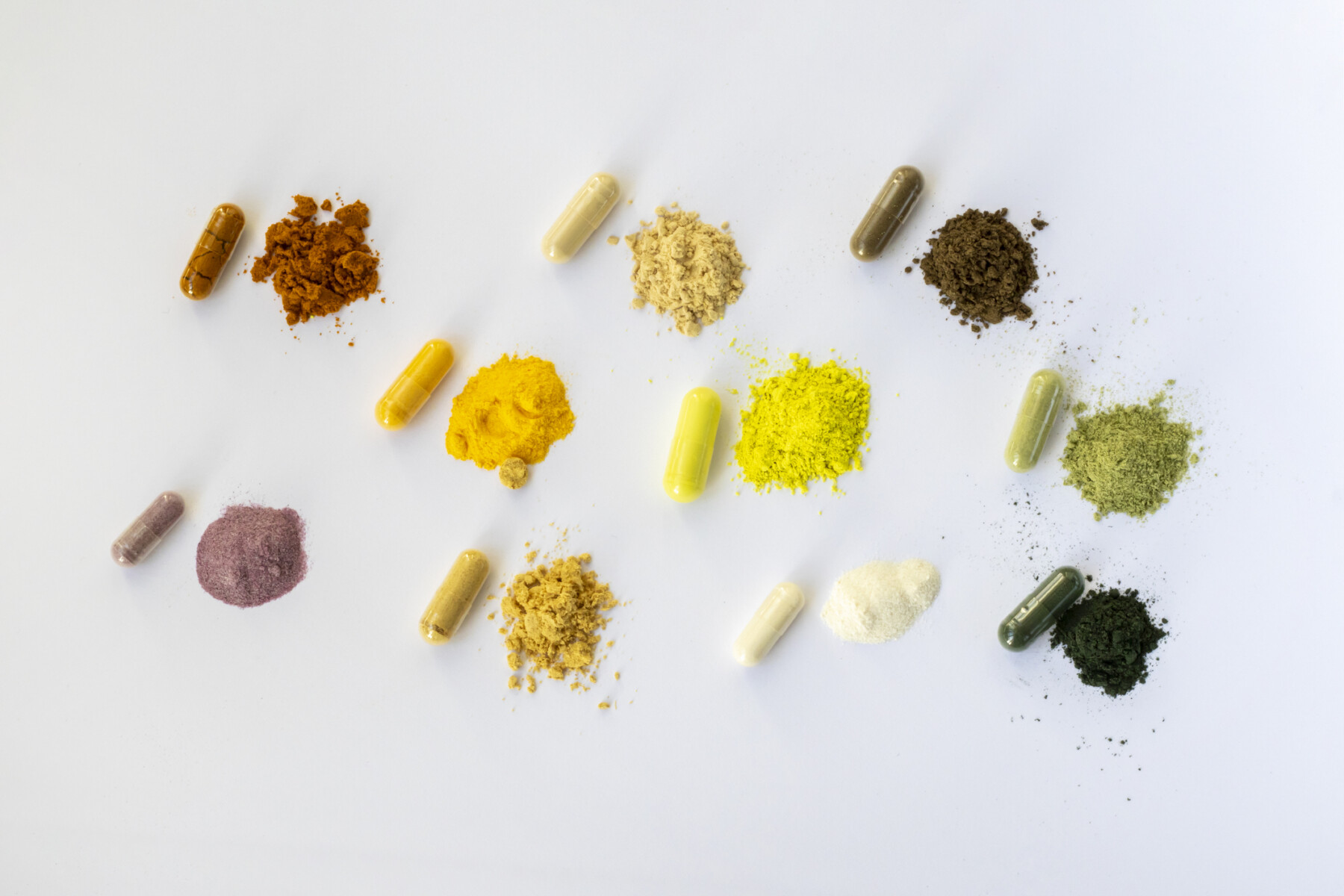
Vitamin D and curcumin, a compound found in turmeric, were tested for their effects on immune cells in a laboratory study involving people with multiple sclerosis. (Image by iStock)
- A laboratory study examined how vitamin D and curcumin affect inflammation-related immune cells in blood samples from people with relapsing-remitting multiple sclerosis.
- Combining vitamin D and curcumin had a greater effect on certain immune cell populations than either compound alone and significantly reduced the density of specific receptors on T-cells.
- More research is needed to confirm these laboratory findings and determine whether they could lead to benefits for people with MS.
Vitamin D and curcumin, a compound found in turmeric, reduced the proportions of certain inflammation-related immune cells in laboratory experiments using blood samples from people with relapsing-remitting multiple sclerosis (RRMS), a study has found.
The combination had a greater effect on certain immune cell populations than either compound alone, suggesting it may help regulate immune responses involved in MS.
“Vitamin D and curcumin, particularly in combination … may represent a promising adjunctive approach for controlling immune cell migration in MS,” the researchers wrote.
The study, “Impact of Vitamin D and Curcumin on CD4+ and CD8+ T cells Expressing CXCR3, CCR4, and CCR6 Chemokine Receptors in Patients with Relapsing-remitting Multiple Sclerosis,” was published in the Iranian Journal of Allergy, Asthma and Immunology.

How immune cells contribute to MS inflammation
MS occurs when the immune system mistakenly attacks the myelin sheath, the protective coating around nerve fibers that helps them communicate. Several types of immune cells, including T-cells, contribute to inflammation and nerve damage in MS. Proteins on these cells called chemokine receptors help guide them to areas of inflammation in the brain and spinal cord.
Vitamin D and curcumin are known to have anti-inflammatory and immune-regulating properties. Researchers in Iran wanted to see whether these compounds could change the proportions of certain T-cell populations in blood samples from people with RRMS. This MS type involves periods of new or worsening symptoms, called relapses, followed by periods when symptoms ease, known as remission.
Researchers collected blood samples from 24 people with RRMS — 10 experiencing a relapse and 14 in remission — and 15 healthy people for comparison. Participants with MS had an average age of 34 years, and 58.3% were women.
Researchers examined two types of T-cells: CD4 T-cells, which help coordinate immune responses, and CD8 T-cells, which can directly kill infected or damaged cells. They focused on cells carrying three types of chemokine receptors: CXCR3, CCR4, and CCR6.
Blood samples from participants experiencing a relapse had a higher proportion of CD4 T-cells carrying CXCR3 than samples from healthy controls. Participants in remission, all of whom were receiving Betaferon (interferon beta-1b), sold in the U.S. as Betaseron, had lower proportions of these cells than participants experiencing a relapse, but still had higher proportions than healthy controls. Neither difference involving the remission group was statistically significant.
Participants experiencing a relapse also had higher proportions of CD4 T-cells carrying both CCR4 and CCR6 receptors than those in remission or healthy controls. Two other immune cell populations — CCR6-positive CD4 T-cells and CXCR3-positive CD8 T-cells — were elevated in both relapse and remission compared with healthy controls.
Vitamin D and curcumin alter immune cell populations in lab tests
When researchers treated participants’ blood cells in the lab with an active form of vitamin D, curcumin, or both, the proportion of CXCR3-positive CD4 T-cells decreased. Both compounds reduced the proportion of these cells when used alone, but the combination had a greater effect.
For the other two cell populations — CCR6-positive CD4 T-cells and CXCR3-positive CD8 T-cells — the combination of vitamin D and curcumin produced greater reductions in their proportions than either compound alone. This was seen in blood samples from patients experiencing a relapse and those in remission. The combination also significantly reduced the density of CXCR3 and CCR6 receptors on the surface of CD4 T-cells in samples from patients experiencing a relapse.
Vitamin D alone had the strongest effect on the proportion of CD4 T-cells carrying both CCR4 and CCR6, another group of cells involved in inflammation. Curcumin alone and the combination also reduced the proportion of these cells, but neither had as strong an effect as vitamin D alone.
The researchers noted that the study’s small sample size may limit how widely its findings apply. More research is needed to confirm the results and determine whether the effects seen in the lab could benefit people with MS.




Leave a comment
Fill in the required fields to post. Your email address will not be published.