
Scientists identify molecule that may boost brain repair in multiple sclerosis
Study finds furapyrrodole promoted myelin-making cells in mice
Written by |
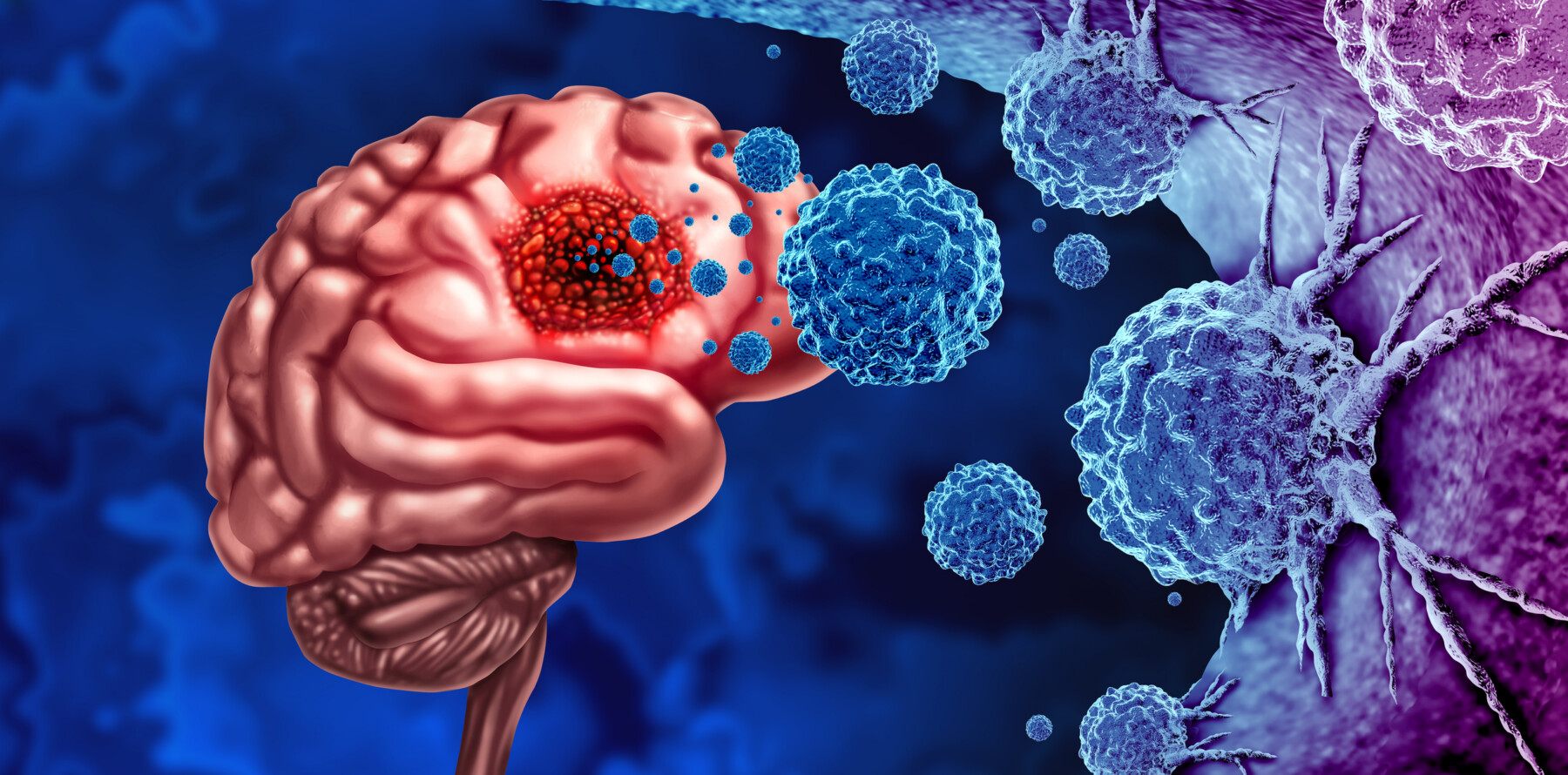
A molecule called furapyrrodole can promote brain repair and reduce inflammation in cellular and mouse models of multiple sclerosis, a study shows. (Photo from iStock)
- A molecule called furapyrrodole promotes brain repair in preclinical models of MS.
- It reduces inflammation and stimulates nerve and myelin regeneration, a study reports.
- Study researchers said furapyrrodole shows strong potential as a therapeutic candidate for MS.
A molecule called furapyrrodole can promote brain repair and reduce inflammation in cellular and mouse models of multiple sclerosis (MS), a study shows.
Researchers found that furapyrrodole can activate immature brain cells to grow into new nerve cells and cells that produce myelin, the sheath that covers nerve fibers and is progressively lost in people with MS. In the mouse model, furapyrrodole treatment was also shown to significantly reduce neuroinflammation and improve mobility.
“It may be possible to stimulate the body’s own repair mechanisms to restore damaged nerve cells and myelin in MS,” Makoto Inoue, PhD, a co-senior author of the study at the University of Illinois, said in a university news story. “Our findings identify [furapyrrodole] as a promising compound that may help unlock this natural regenerative potential.”
The study, “Targeting Mitochondrial Redox Signaling Promotes Neuroregeneration and Functional Recovery in a Multiple Sclerosis Model,” was published in the journal Advanced Science.

Key pathway explored
In MS, an aberrant immune response in the brain and spinal cord damages the myelin sheath, which is a fatty substance that wraps around nerve fibers and helps nerves send fast electrical signals. Myelin damage leads to problems in nerve cell function, ultimately driving MS symptoms.
Available MS treatments work by dampening these abnormal immune responses, however, no therapy has ever been proven to promote myelin regeneration or nerve repair in MS. One theoretical strategy to promote this type of repair in MS is to activate neural progenitor cells (NPCs). These immature brain cells are able to grow into several types of mature brain cells, including nerve cells (neurons) and oligodendrocytes, the cells mainly responsible for making myelin.
NPC growth is known to be regulated by a molecular pathway called the Notch signaling pathway. When the Notch pathway is active, NPCs stay immature, and when Notch deactivates, NPCs are able to mature into nerve cells and oligodendrocytes.
Notch signaling suppression “may help generate neurons and could be an effective therapy for neurodegenerative diseases, including multiple sclerosis,” Inoue said.
With this in mind, Inoue and colleagues in Japan and the U.S. conducted a screen of naturally occurring compounds, looking for those that could block Notch and, therefore, stimulate NPC maturation.

Furapyrrodole treatment improved motor function in mice
The team zeroed in on furapyrrodole as a promising candidate. In lab models, the researchers determined that furapyrrodole works by activating a protein called CYB5R3, which helps control the activity of mitochondria, known as the powerhouses of cells.
Activation of CYB5R3 causes a change in mitochondrial activity, which leads to fluctuations in cellular calcium levels, ultimately affecting the transport of a protein called Notch intracellular domain (NICD) into the cell’s nucleus, which contains all of its DNA. NICD’s transport into the nucleus is essential for Notch activation.
To test the compound, the researchers used mice with experimental autoimmune encephalomyelitis, a lab-induced disease used to model MS. In NPCs collected from the mouse model and grown in the lab, treatment with furapyrrodole promoted the growth of NPCs into mature neurons and myelin-making oligodendrocytes.
The [nerve-regenerating] and anti-inflammatory functions of furapyrrodole …, in conjunction with its minimal adverse effects and [limited] impact on [blood] immune responses, highlight its strong potential as a therapeutic candidate for MS.
Just like in the cellular models, mice treated with furapyrrodole showed increased growth of neurons and oligodendrocytes. In addition, furapyrrodole treatment improved the animals’ motor function and reduced markers of brain inflammation.
“Our findings suggest that [furapyrrodole] promotes remyelination by stimulating neural progenitor cells to [mature] into oligodendrocytes,” Inoue said. “In addition, its regenerative effects may support the recovery of damaged neuronal populations. Together, these effects were associated with improved motor function in the mouse model.”
The compound was generally well-tolerated. Contrary to other Notch suppressors, furapyrrodole did not seem to affect the gastrointestinal tract, “potentially due to the minimal [levels] of CYB5R3 in intestinal stem cells,” the researchers wrote.
“The [nerve-regenerating] and anti-inflammatory functions of furapyrrodole …, in conjunction with its minimal adverse effects and [limited] impact on [blood] immune responses, highlight its strong potential as a therapeutic candidate for MS,” the team concluded.



Leave a comment
Fill in the required fields to post. Your email address will not be published.