MS progression is unpredictable, but I’m learning to adapt
Written by |
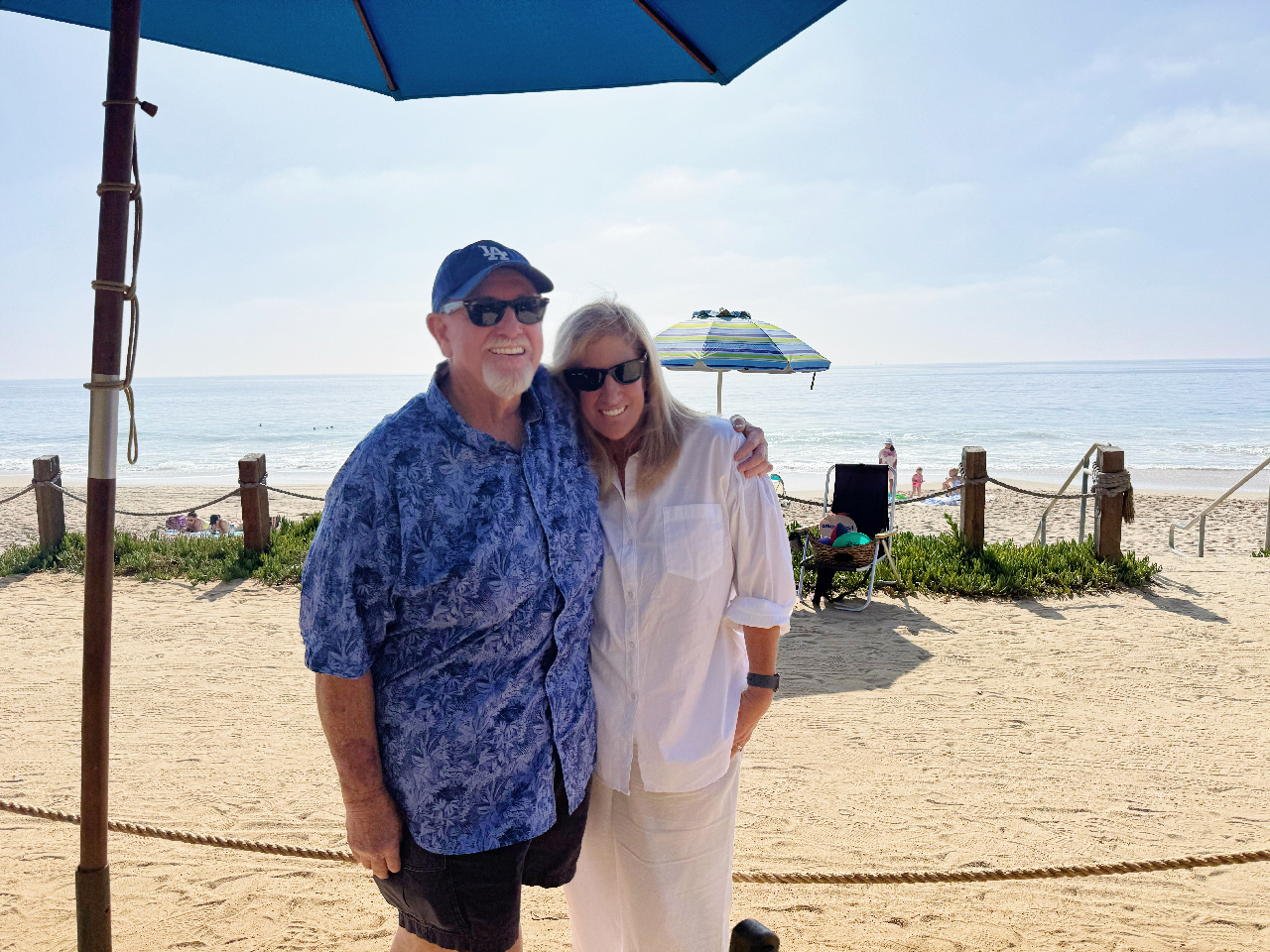
Jenn Powell and her husband, Mike, enjoy a day at Laguna Beach, California, in October 2025. (Photos courtesy of Jenn Powell)
In recognition of Multiple Sclerosis Awareness Month in March, the MS Awareness Month campaign features a series of stories highlighting the real-life experiences of people affected by MS, written in their own words. Follow us on Facebook, Instagram, X, and Pinterest for more stories like this, using the hashtag #MSAwarenessMonth, or read the full series.
It sounded like a distant storm forecast — inevitable, but far away.
I nodded as I listened to the doctor describe possibilities. Almost simultaneously, my inner voice justified, “It won’t happen like that.” But when the day came that my body quietly refused to do what it had always done, it wasn’t the loss that shocked me most. It was the realization that the future had arrived without asking, and it was taking something I wasn’t finished loving.

Powell and her dog Skye go boating in Dana Point Harbor, California, in the spring of 2025. (Courtesy of Jenn Powell)
I was diagnosed with relapsing-remitting multiple sclerosis (MS) in 2010, and two years later, the disease progressed to secondary progressive MS. The slow, steady continuum of MS progression began subtly, with exacerbated foot drop, mild cognitive impairment, increased pain levels, and a slight speech impediment. While noticeable, these changes did not prevent me from doing my job well.
Until now.
I am the associate director of partnerships at Bionews, the parent company of Multiple Sclerosis News Today. I love my job. To be forced to leave full-time work feels like being asked to step away from a part of myself that is still alive and reaching. I am not finished loving this work. I am not finished contributing at this pace. Yet my body has a wisdom I sometimes ignore, and it can no longer tolerate the sustained stress a full-time commitment demands.
This realization did not happen overnight, nor did it happen without internal struggle. When I noticed the stress affecting my physical and mental health, I refused to believe in its omnipresence. This was especially difficult as my company has always been patient and accepting of my disease and any limitations.
When the multitasking left more balls dropped than caught, I worked overtime to compensate. I overprepared, pushed through fatigue and insomnia, and muted the voice inside my head begging me to stop.
It was only when my husband, family, and friends shared their concern that I began to listen. I could no longer ignore my new reality. Once I committed to prioritizing my health, I felt confident about implementing the changes necessary to support self-care.
Fear often disables us far more than MS, crippling our ability to escape our own preconceived notion of success, fulfillment, and meaning. Purpose can never be defined by reduced hours, modified schedules, or health status.
A progressive and unpredictable disease like MS is like the tide. We cannot change the ebb and flow of the water any more than we can change the course of our illness. But we can remain malleable instead of struggling against the inevitable.