
AAN 2026: Ocrevus preserves walking, hand function in early RRMS
Study: Some participants experienced improvement over six-year period
Written by |

A microphone and some papers sit on a podium in front of a crowd. (Photo by iStock)
- Ocrevus preserves walking and hand function in early relapsing-remitting MS over six years.
- Most patients maintained normal function, with some improving from initial impairments.
- Ocrevus is designed to lower levels of immune B-cells to reduce MS inflammation.
First-line treatment with Ocrevus (ocrelizumab) preserved walking abilities and hand function in most people with early relapsing-remitting multiple sclerosis (RRMS) over six years, according to data from a Phase 3b clinical trial and its extension study.
The findings were presented in a talk by Robert Bermel, MD, of the Cleveland Clinic, at the American Academy of Neurology (AAN) annual meeting, being held April 18-22 in Chicago and online.
The talk was titled, “Preservation of Ambulation and Hand Function at Healthy-control Levels With First-line Treatment With Ocrelizumab: 6-year Findings From the ENSEMBLE Trial. It was sponsored by Ocrevus’ developer Genentech, a Roche company.
Ocrevus previously shown to reduce disease activity
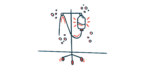
Ocrevus, given by infusion into the bloodstream, is designed to lower levels of immune B-cells to reduce MS inflammation. It’s approved in the U.S. to treat adults with primary progressive MS and relapsing forms of MS, including clinically isolated syndrome, RRMS, and active secondary progressive MS.
The therapy has been shown to reduce disease activity, slow disability accumulation, and improve patient-reported outcomes. But whether starting it early in the disease course can slow the declines in walking and hand function remained to be explored.
The Phase 3b ENSEMBLE (NCT03085810) study was designed to evaluate Ocrevus’ long-term safety and efficacy in adults with active RRMS who had been living with MS for less than three years, had not yet received other disease-modifying therapies, and had minimal disability.
Data from the four-year trial showed that Ocrevus successfully suppressed disease activity, with most participants remaining free of relapses, MRI activity, and disability progression. After the study, participants could continue to receive Ocrevus for two more years in the open-label extension study LIBERTO (NCT03599245).

Participants had ‘quite active’ disease
The recent analysis covered six years of data from 616 participants treated in ENSEMBLE and LIBERTO. They had a median age of 32 years, and had been experiencing MS symptoms for a mean of just over a year at the time they were enrolled in ENSEMBLE.
On average, participants had “quite active” disease, according to the scientist, with about one-quarter having had a relapse in the previous year, and about half having lesions with active inflammation.
Over the six years, researchers examined changes in walking ability (ambulation) and hand function, assessed with the 25-foot walk test (T25FW) and the nine-hole peg test (9HPT), respectively. Loss of ambulation and hand function are important outcomes in MS, as they are known drivers of disability.
“We know that they’re important to patients, they’re sensitive to change, and they’re also outcome measures that are … performed in clinical practice,” Bermel said. “So these are particularly relevant, and we think translate well between clinical trials and clinical practice.”
For both the T25FW and 9HPT, clinical worsening was defined as a 20% or greater increase in scores that persisted for at least 48 weeks (nearly a year), while improvement was a 20% or greater decrease in scores during that same period.
The numbers are actually … demonstrating here that there are higher … proportions of patients who had improvement than had worsening over the six years of the study.
The results showed that after six years, most participants (82%) had not experienced sustained worsening of ambulation, and among them, 23% had improved. Regarding hand function, 93% of participants did not experience sustained worsening after six years, among whom 14% showed an improvement.
“The numbers are actually … demonstrating here that there are higher … proportions of patients who had improvement than had worsening over the six years of the study,” Bermel explained.
Over the course of the study, the mean T25FW performance improved, approaching levels considered near-normal in healthy people.
Among the participants who had normal ambulation at the study’s start (baseline), 86.1% maintained a normal performance throughout the study. For people with impaired ambulation at the study’s start, 34% improved to within the normal range by the end of the study.
The pattern was similar for hand function. Mean hand function improved with Ocrevus, falling into the normal range and remaining stable out to six years. Most people (93%) who started with normal hand function maintained it, while 55.2% who had impairments in hand function at baseline improved to normal levels.
Bermel noted that because the study was open-label, meaning it did not have a placebo group for comparison, there are some limitations in data interpretation. Nevertheless, the findings are “very encouraging results from a substantial six-year duration of treatment,” the researcher concluded.




Leave a comment
Fill in the required fields to post. Your email address will not be published.