
Brain scans link gray matter damage to MS disability worsening
Tracking tissue damage may help researchers understand disease
Written by |
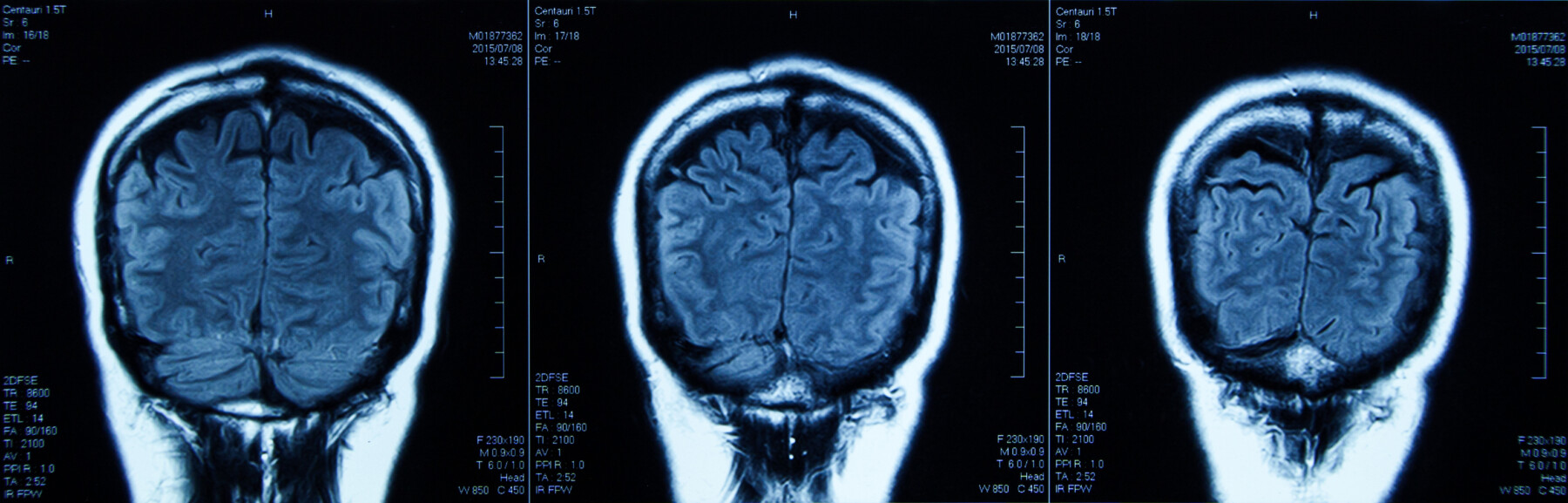
Researchers used MRI scans and a specialized technique to investigate white matter in the brain. (Image from iStock)
- A study linked gray matter damage to worse long-term disability, cognitive decline, and increased mortality in MS.
- Gray matter damage is a stronger predictor of long-term outcomes than white matter damage.
- MRI scans assessing gray matter damage may help predict long-term disease progression in MS patients.
Damage to the brain’s gray matter — the part of brain tissue that houses the bodies of nerve cells — is associated with a higher risk of long-term disability worsening, cognitive impairment, and death in people with multiple sclerosis (MS), according to a study that followed dozens of patients for more than two decades.
Gray matter damage was more consistently associated with long-term outcomes than damage to white matter, the other main type of brain tissue that houses nerve fibers and was historically believed to be the sole region in the brain affected by MS. The findings offer new insights into how MRI scans can provide information about potential long-term outcomes.
“[Gray matter] damage is consistently associated with clinical outcomes over more than 2 decades,” the researchers wrote. “These findings highlight the potential relevance of [gray matter]-sensitive MRI metrics for understanding long-term disease evolution.”
The study, “Gray Matter Damage and Long-Term Disability, Cognitive Outcome, and Survival in Patients With Multiple Sclerosis,” was published in Neurology.

Gray vs. white
MS is a progressive disease characterized by inflammation that damages the myelin sheath, a protective covering around nerve fibers that helps them send electrical signals.
Most myelin is located in the brain’s white matter. In fact, white matter gets its name from the fact that it contains lots of myelin, which is pale white. Because MS is characterized by myelin damage, the disease has long been thought to be a condition that mainly affects white matter. But emerging data suggest that MS also causes damage in gray matter.
While symptoms of MS generally worsen over time, the rate at which the disease progresses can vary substantially from person to person, and it can be difficult to predict which patients will have faster or slower progression. And it hasn’t been clear whether gray matter damage or white matter damage is more important for predicting long-term outcomes in MS.
To find out, scientists in Italy analyzed data from 73 people with relapsing forms of MS who enrolled in an observational study in the 1990s. Most of these patients had been followed for more than 25 years by the time the analysis was done.
The researchers used statistical models to test for associations between MRI scans done in the 1990s and outcomes more than two decades later. Results showed that MS patients who had more gray matter damage on initial scans were significantly more likely to die over the course of follow-up.
Patients with more gray matter damage were also at higher risk of worsening disability or new cognitive problems, and they were more likely to progress to more severe forms of MS.
“This uniquely long observational period allowed us to investigate whether MRI variables are associated not only with disability worsening and cognitive deterioration but also with MS-related death, arguably the most definitive outcome of disease progression,” the researchers wrote.
MS is not a fatal disease, but it can increase the risk of life-threatening complications such as pneumonia, and life expectancy in MS is slightly lower than in the general population.
The researchers found that while gray matter showed statistically significant associations with all these outcomes, white matter damage generally did not have a clear correlation with long-term clinical outcomes.
“[Gray matter] damage … was consistently associated with multiple long-term clinical outcomes in relapse-onset MS over a 26-year follow-up,” they wrote. “These associations were robust across analytical approaches. In contrast, [white matter]–related measures showed less consistent associations.”
The team said the data “support emerging evidence that [gray matter] damage … captures [disease-driving] processes that continue to influence disability accumulation decades later.”




Omar Wehbe
How can one monitor and measure gray matter damage? MRI?
Are there any steps one can take to reduce this damage?
Adam Frey
Kippen ist aMS bedingt?