
Stroke drug may ease MS damage, animal studies suggest
Repurposed nimodipine could help preserve myelin, reduce severity
Written by |
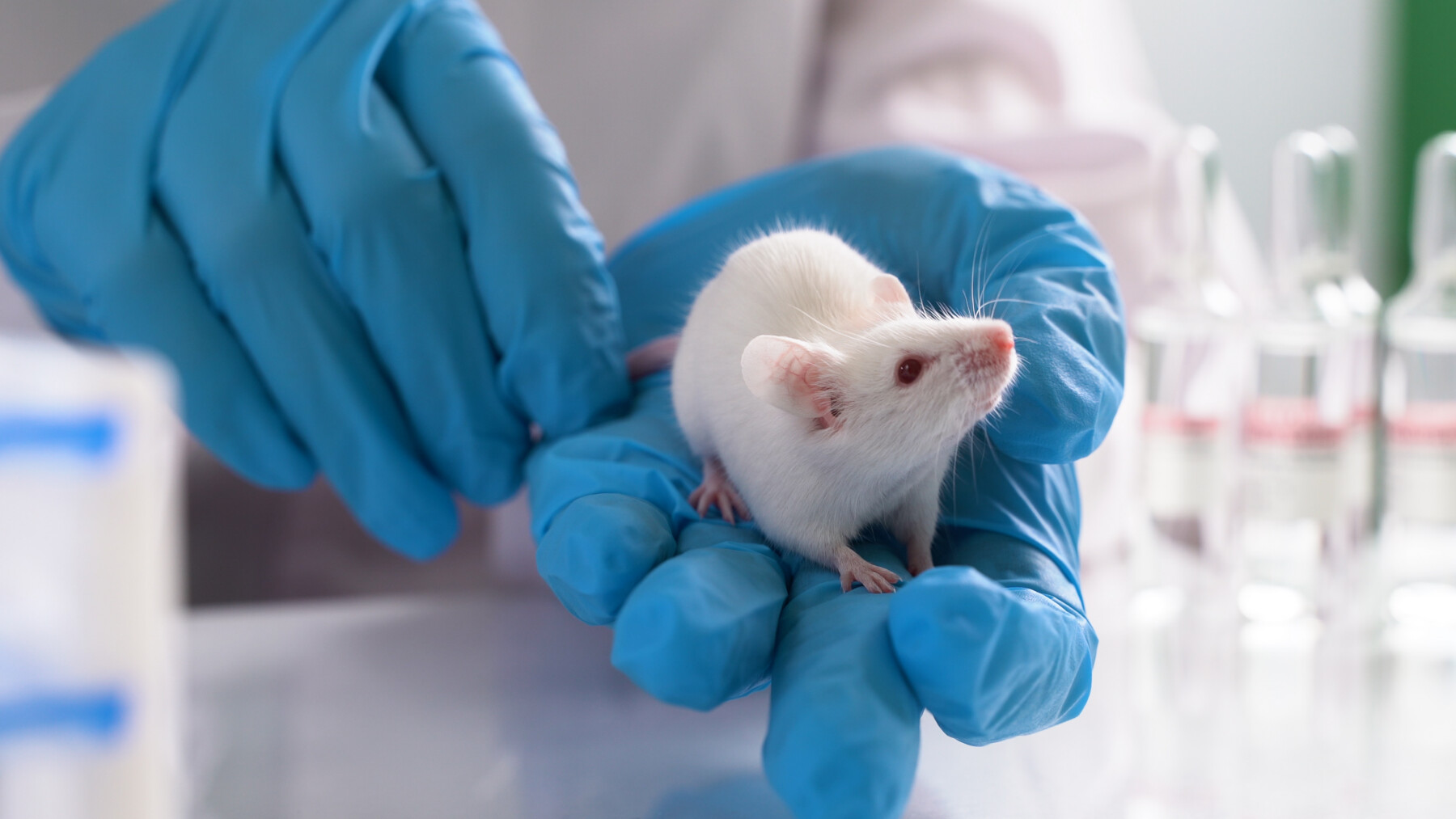
Animal studies suggest a stroke drug may help in MS. (Photo by iStock)
- Animal studies suggest the stroke medication nimodipine could help preserve and repair myelin damage in multiple sclerosis.
- The treatment is associated with reduced neuroinflammation, lower disease severity, and decreased nerve damage in animal models.
- Further research and early-phase human trials are needed to determine if nimodipine can safely provide similar benefits in patients.
A drug used to prevent stroke complications may help preserve myelin, the protective coating around nerve fibers that is damaged in multiple sclerosis (MS), according to a review of data from animal studies.
The treatment, nimodipine, was also associated with reduced inflammation, nerve damage, and disease severity in several of the animal studies reviewed, suggesting it may be repurposed to treat people with MS.
“These findings underscore the potential of drug repositioning to uncover novel clinical mechanisms for nimodipine and expand its therapeutic applications to other diseases, such as MS,” researchers wrote.
The study, “Nimodipine in animal models of demyelination relevant to multiple sclerosis: a systematic review,” was published in Brain Research.
In MS, the immune system mistakenly attacks the myelin sheath, leading to inflammation and nerve damage that ultimately results in a wide range of neurological symptoms.

Relaxing blood vessels
Most MS treatments work by modulating the immune system. While these therapies can reduce relapses and slow disease progression, they generally do not directly repair myelin that has already been lost.
One potential approach to developing new therapies that could promote myelin repair and protect nerve cells is drug repurposing — finding new uses for medications that are already approved for other conditions.
Nimodipine is a prescription drug that is widely used to prevent blood vessel spasms following bleeding in the brain. It works by relaxing narrowed blood vessels to improve blood flow to injured brain tissue.
Research has suggested the treatment may also reduce inflammation and nerve damage while helping to rebuild myelin, and some studies have tested it in animal models of MS. A team of researchers in Iran reviewed the available evidence from those studies.
A total of five studies were included in the analyses. Four involved rodents with experimental autoimmune encephalomyelitis (EAE), which is commonly used to model MS, and one used a toxin, cuprizone, to induce demyelination.
Because the studies differed substantially in the animals and disease models used, as well as in nimodipine doses, treatment methods, and outcome measures, the researchers could not combine the findings into a single statistical analysis. Instead, they conducted a narrative review of the results.
Overall, nimodipine reduced disease severity in the EAE models. In one study, nimodipine reduced the severity of relapsing-remitting EAE and lessened disease severity in the acute (early active) phase. Other studies found nimodipine decreased relapse rate, lessened sensory and motor problems, and exerted nerve-protecting effects.
Nimodipine was also associated with less myelin loss and fewer demyelinated nerve fibers. In one study, treatment also increased the number of nerve fibers showing signs of remyelination. These findings were consistent with increased activity of myelin-related genes and higher numbers of cells actively involved in myelin regeneration.
Animals treated with nimodipine also exhibited fewer signs of inflammation in the brain and spinal cord, as well as lower blood levels of some inflammation-related proteins, which in one study resulted in less nerve damage.
Separately, the drug was linked to improved spinal cord blood flow and oxygenation, addressing a mechanism related to low oxygen levels proposed to contribute to nerve dysfunction in EAE. One study showed that nimodipine treatment reduced clinical scores and improved motor performance.
In the cuprizone model, in which demyelination was triggered by a toxin rather than an autoimmune attack, nimodipine was associated with fewer reactive immune cells in the brain and with faster, more complete myelin repair.
“Preclinical evidence suggests that nimodipine may attenuate disease severity and demyelination and may promote repair-related processes in rodent models relevant to MS,” the scientists concluded.
The researchers called for more research replicating the preclinical findings and early-phase human studies to determine whether nimodipine can provide similar benefits in people with MS.



tony prior
could i be involved in a uk trial, this sounds very promising nimodipine tony prior
kingston
It is always better to prevent then to cure. The rodents, mouse and rats in particular has caused plague which is accounted for many deaths. Keeping the place clean. Blocking the holes with cement. Keeping the house free from waste foods. Small things can keep these rodents away. Pest control companies like ours can help.