
3D ‘mini brain’ offers hope for therapies that repair MS damage
New human stem cell model may help scientists test drugs to restore myelin
Written by |
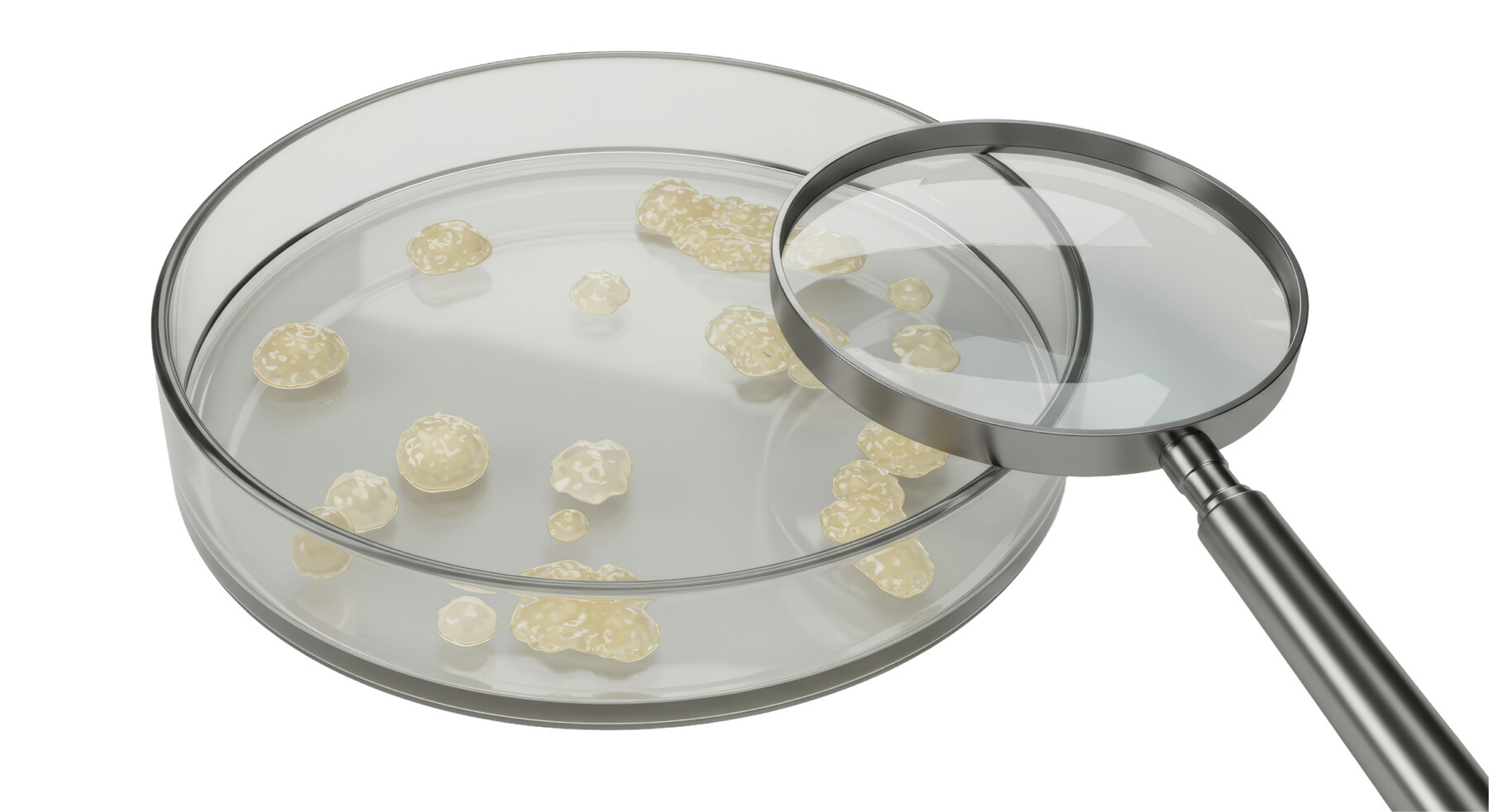
Scientists have created a rice-grain-sized "mini-brain" from human stem cells to model MS nerve damage and test potential repair therapies. (Image from iStock)
- Researchers created a human stem cell 3D "mini-brain" model to simulate MS nerve damage and study myelin repair mechanisms.
- MS involves immune system attacks on the protective myelin sheath surrounding nerve fibers, causing disrupted signaling and neurological symptoms.
- The new human tissue model successfully tested therapies like clemastine, which significantly increased myelin formation and offered screening potential for repair treatments.
Scientists have created a “mini-brain” model, the size of a grain of rice, from human stem cells that can mimic multiple sclerosis (MS)-related damage and repair, offering a new avenue for testing drugs that restore the myelin sheath surrounding nerve fibers.
The 3D spheroid model contains human nerve cells alongside myelin-producing cells and immune cells called microglia. Recreating real human tissue structures gives researchers a clearer view of how MS damages the nervous system and how the body tries to repair itself.
In a study published in Nature Neuroscience, titled “A human-induced pluripotent stem cell-derived spheroid model to investigate myelin injury and repair,” researchers described how the model’s cells responded to injury, helped clear damaged myelin, and formed new myelin. As a proof of concept, they also tested the drug clemastine in the model and found that it significantly increased myelin formation.
Modeling MS damage in human cells
“This model can help researchers better understand what drives myelin damage and repair in MS and it also gives us a new platform to screen drugs that protect or restore myelin,” Samantha Barton, PhD, an associate professor at the Florey Institute of Neuroscience and Mental Health in Australia and study lead, said in an institute press release. “The dream is to find new ways to slow or prevent MS progression — we hope our models could help us do that.”
The myelin sheath is a fatty insulating layer around nerve fibers that boosts the speed of electrical impulses. In MS, the immune system launches erroneous attacks against myelin, disrupting nerve signaling and causing a range of neurological symptoms.
While current treatments can slow disease progression and ease symptoms, none can repair myelin damage or stimulate new myelin production. A major hurdle in developing repair therapies is that standard laboratory research relies on animals, such as rodents, whose biology often fails to fully mimic human biology.
“In science, we typically use rodents to model diseases for research, but drugs identified to work in these models of disease are rarely effective in people, so creating more human-relevant model systems is important,” said Barton, who leads the Myelin in Health and Disease Group at The Florey.
Barton’s team, alongside scientists from Monash University in Australia, engineered spheroids, or mini-brains — small 3D clusters of cells that model human myelin damage (demyelination) and repair (remyelination).
The spheroids resembled spinal cord tissue and contained mature oligodendrocytes, which are responsible for making myelin in the brain and spinal cord. The team also added microglia, the resident immune cells of the brain and spinal cord that participate in myelin and nerve fiber damage.
“The relevance of our new system is significant. In addition to generating myelin, we have been able to introduce immune cells to trigger injury similar to MS,” Barton said. “This gives us the unique opportunity to study the regenerative process of remyelination in the laboratory.”
The researchers exposed the spheroids to a substance that causes demyelination in MS animal models. These spheroids showed significant myelin destruction and fragmentation, as well as a reduction in the number of myelinated nerve fibers.
The dream is to find new ways to slow or prevent MS progression — we hope our models could help us do that.
Clearing debris and testing promising treatments
Microglia also showed higher levels of an immune activation marker after injury and contained significantly more myelin debris than in control spheroids, suggesting microglia engulfed and cleared debris.
When the researchers measured gene activity after injury, changes in oligodendrocytes, their precursor cells, and microglia overlapped significantly with changes reported in brain tissue from people with MS. These data demonstrate that “spheroids closely mirror key disease pathways known to be involved in MS lesion formation,” they wrote.
After injury, there was an increase in newly generated oligodendrocytes, which began forming myelin sheaths on nerve fibers, a sign of an early remyelination response.
The researchers also tested clemastine fumarate, the first remyelinating drug to enter clinical trials for MS. Clemastine significantly increased the proportion of new myelinating oligodendrocytes compared with no treatment, “highlighting the exciting potential of using this model system for drug screening,” the team noted.
Despite this finding, the researchers noted that their spheroid system, in its current form, may not be suited for high-throughput screening (an automated process using robotics to rapidly test thousands to millions of compounds at once). Instead, they suggest it is best used to evaluate a refined set of promising drug candidates.
“We are extremely happy with our findings and believe we are closer than ever to creating the best possible platform for MS drug development with the aim of reversing the disease and giving quality health back to people living with MS,” said Shwathy Ramesan, PhD, the study’s first author. “We hope it becomes a valuable tool not only for our team but for researchers studying MS around the world.”


Leave a comment
Fill in the required fields to post. Your email address will not be published.