
Greater disability linked to more severe depression in RRMS study
Researchers urge routine mental health screening in MS care
Written by |

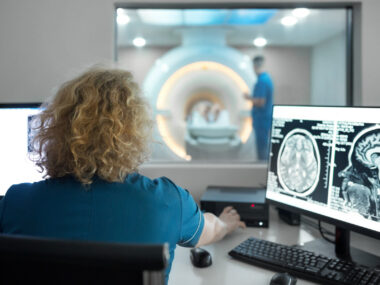
Greater physical disability is associated with higher depression severity among people with relapsing-remitting multiple sclerosis, according to a small study. (Photo by iStock)
- Greater disability levels are associated with more severe depression among people with Rrelapsing-remitting MS.
- Study showed that people with RRMS had substantially higher rates of at least moderate depression than people without MS.
- Routine psychological screening and targeted mental health management are essential.
Among people with relapsing-remitting multiple sclerosis (RRMS), greater physical disability is associated with higher depression severity, according to a small study from Egypt.
The study showed that people with RRMS had substantially higher rates of at least moderate depression than people without multiple sclerosis (MS). More severe depression was also linked to visual and sensory symptoms in the RRMS patient group.
“Addressing disability-related psychological distress is essential for improving mental health outcomes in MS,” researchers wrote in the study, “Relapsing-remitting multiple sclerosis understanding the disability-depression connection,” which was published in The Egyptian Journal of Neurology, Psychiatry and Neurosurgery.

Depression common in MS
MS is marked by a damaging immune attack against myelin, the protective coating around nerve fibers, disrupting communication in the brain and spinal cord. Symptoms vary according to where this damage occurs and can include problems with movement, sensation, vision, mood, cognition, pain, and fatigue.
RRMS, the most common form of MS, is characterized by periods when neurological symptoms suddenly appear or worsen, called relapses, followed by periods of partial or complete recovery.
Depression is common in MS and can substantially affect quality of life, daily functioning, employment, and treatment adherence. Its causes are likely complex, involving both biological changes associated with MS and the psychological burden of living with a chronic and unpredictable disease. While past studies have linked greater MS-related disability with depression, data from North African and Middle Eastern populations remain limited.
In this study, researchers in Egypt aimed to determine whether the degree of physical disability was related to depression severity in 30 adults with RRMS, ages 18 to 60, treated at a hospital in Egypt. Also included in the analysis were 30 adults without MS, who served as a control group.
The analysis was cross-sectional, meaning it gathered data from a single point in time. Depression severity was measured with the Beck Depression Inventory-II (BDI-II). Disability was assessed using the Expanded Disability Status Scale (EDSS), the scores of which range from zero to 10, with higher scores indicating greater disability.

Depression more severe in RRMS patients than in controls
In the RRMS group, the median EDSS score was 1, reflecting a low level of disability, although scores ranged from 0 to 6. The most common neurological finding was involvement of the pyramidal tract that controls voluntary muscle movement (56.7%), followed by visual (30%) and sensory (26.7%) symptoms.
Depression was overall more severe in the RRMS patients than in the control group. Nearly three-quarters of those with RRMS (73.3%) were found to have moderate, severe, or very severe depression on the BDI-II, compared with 23.3% of controls. While nearly half of the control group had no depression (43.3%), this was the case for only 6.7% of those with RRMS.
Greater disability was significantly linked to depression severity among the RRMS patients. Those with moderate to severe depression had a median EDSS score of 2, compared with a median EDSS score of 0 among those with no or mild depression.
In an exploratory analysis, every increase in EDSS score was associated with a 3.2 times higher likelihood of moderate to severe depression, suggesting that increasing neurological disability may be an important marker of psychological distress.
Certain neurological symptoms were also significantly associated with depression. Visual problems were present in 40.9% of patients with moderate-to-severe depression but in none of those with no or mild depression. A similar pattern was seen for sensory symptoms, which affected 36.4% of those with greater depression severity but none with little or no depression.
These observations highlight the need for psychological screening and management, especially in highly disabled cases.
Such impairments may contribute to depression by reducing independence, restricting daily activities, and worsening quality of life, according to the researchers.
Thoughts of suicide, or suicide ideation, were similarly common between people with RRMS and the control group, with 36.7% of patients and 26.7% of controls reporting a wish to be dead. Among those with RRMS, severe depression was associated with a more than eight times higher likelihood of suicidal ideation.
The researchers noted several limitations, including the small sample, the study’s cross-sectional design, reliance on self-reported measures, and differences between patients and controls in education, occupation, and place of residence. These factors could have influenced depression independently of MS disability, so larger and longer studies are needed to “provide more robust conclusions,” the researchers wrote.
Still, the findings support routinely considering mental health alongside physical disability in RRMS care, particularly for patients with increasing disability or visual and sensory problems.
“These observations highlight the need for psychological screening and management, especially in highly disabled cases,” the team concluded.



Shara Sand
I’m getting tired of money being spent on studies where the results are obvious. It’s been well documented that greater disabilities regardless of diagnosis result in increased depression. Let’s stop wasting money on “Duh” research.
Dennis
Thank You and I was include other elements that increases the depression. like the belief we are safe and then another attack!
Larhonda Woodson
I got diagnosed in 2025 with aggressive MS in my neck and spine and other chronic illnesses and I’m trying to stay positive and I go to the Infusion Center in Greenville S.C. twice a year to receive Ocrevus