
MRI marker cuts MS diagnosis time and avoids spinal taps, review finds
Researchers urge wider hospital adoption of test that includes central vein sign
Written by |
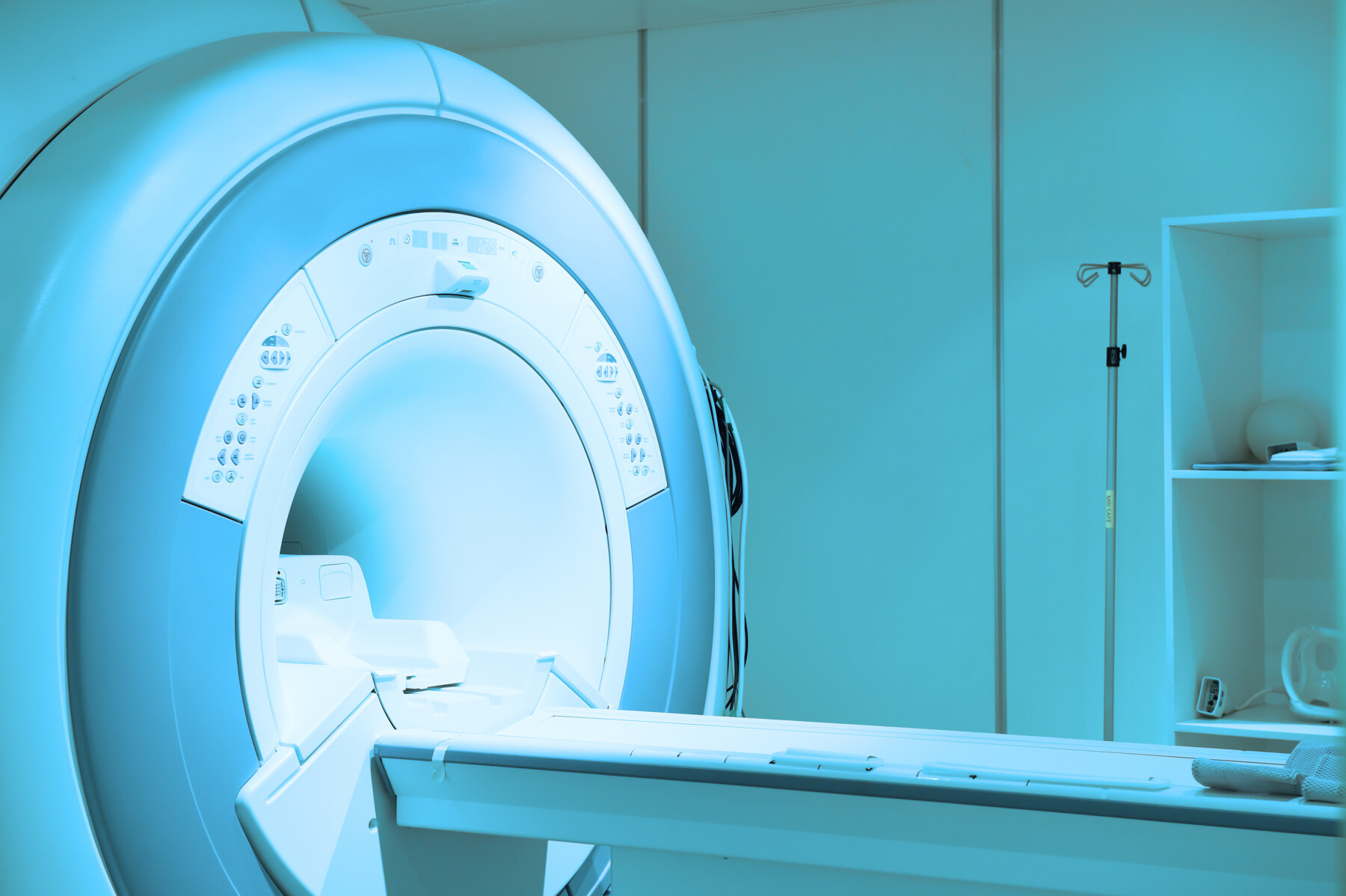
A fast-track diagnostic pathway that includes a specific MRI marker cut the average time to diagnose multiple sclerosis by three months compared with the usual outpatient route, according to a review. (Photo from Shutterstock)
- A fast-track diagnostic pathway utilizing the central vein sign MRI marker successfully reduced MS diagnosis time by three months.
- This noninvasive imaging approach completely eliminated the need for painful lumbar punctures in patients.
- Researchers encourages other hospitals across the UK to start using the new, more cost-effectrive MRI test.
A fast-track diagnostic pathway that includes a specific MRI marker called the central vein sign (CVS) cut the average time to diagnose multiple sclerosis (MS) by about three months compared with the usual outpatient route, according to a hospital review.
It also eliminated the need for invasive lumbar punctures, commonly known as spinal taps.
“Spotting the central vein sign completely changes the MS diagnostic journey,” Christopher Gilmartin, MD, of the University of Nottingham in the U.K. and the study’s first author, said in a university news story. “By viewing lesions in far greater clarity, we can make an accurate diagnosis without invasive lumbar punctures — reducing unnecessary delays so people can start getting answers sooner.”
The study, “A Faster Way to Diagnose Multiple Sclerosis,” was published in Neurology Clinical Practice.

‘It’s a petrifying thing’
In MS, the immune system mistakenly attacks certain parts of the brain and spinal cord, driving neurological symptoms. Such attacks lead to the formation of lesions, or areas of inflammation and damage, which can be seen on MRI scans.
Confirming a diagnosis has traditionally relied on MRI detecting lesions in different locations and at different times. Until recently, most people with suspected MS underwent a lumbar puncture, an invasive procedure that samples spinal fluid to test for antibodies indicative of MS-related inflammation. However, this procedure can lead to headaches, back pain, and other unintended complications.
“I would have been very stressed if I had to have lumbar puncture as you only hear about the negatives associated with them,” said Rachel Mellor, age 50, who was diagnosed with MS nearly two decades ago based on symptoms and MRI alone. “From other people I’ve spoken to — it’s so hard anyway having to be assessed for this lifelong condition and being stressed about that without adding in the prospect of a painful procedure. It’s a petrifying thing when you consider about the side effects and how you feel afterwards and you don’t want that on top of an already daunting diagnosis.”

CVS assessment has remained largely confined to research settings
In 2024, the McDonald diagnostic criteria for MS were revised to include the MRI marker CVS, in which a small vein visibly runs through the center of a lesion. This feature is considered specific to MS and can help distinguish it from other conditions with overlapping symptoms.
“This all began with a chance observation on the university’s powerful [MRI] research scanner,” said Nikos Evangelou, PhD, a professor of clinical neurology at the University of Nottingham and study lead. “I am delighted that a test developed in Nottingham has been embraced by the rest of the world, and we have been lucky to see it become part of the international diagnostic criteria for MS.”
Despite its inclusion in the criteria, however, the CVS assessment has remained largely confined to research settings, with few centers using it in routine practice.
Therefore, the team introduced a fast-track diagnostic pathway that incorporated CVS analysis into everyday clinical care at their center. Under this pathway, people with MRI scans suggestive of MS were referred to an MS specialist, who arranged a repeat MRI including CVS before the patient’s first clinic appointment.
The fast-track pathway was compared with two other routes: the usual outpatient pathway, in which individuals were seen in clinic before further imaging or a lumbar puncture, and an acute pathway for those who presented urgently at the hospital.
The review covered 59 patients referred between March 2024 and July 2025 who were subsequently diagnosed with MS. Among them, 15 received a diagnosis through the fast-track pathway, 17 through usual outpatient care, and 27 through acute presentation.
That is why this development is an amazing thing. To have something non-invasive and quicker, eases the stress, and stress is a big thing for MS too.
Results showed that the mean time from referral to diagnosis was about three months faster via the fast-track pathway than in the usual outpatient pathway (mean 2.9 vs. 5.6 months). No patients in the fast-track pathway underwent a lumbar puncture, compared with two (12%) in the usual outpatient pathway.
The median time to diagnosis was shortest in the acute pathway at 2.1 months, “although many [MS patients] underwent additional investigations as an outpatient following an initial acute hospital admission,” the researchers wrote. Lumbar punctures were most frequent in this group, with about one in three (30%) undergoing the procedure.
Within the fast-track pathway, CVS analysis directly assisted the diagnostic process in 12 of the 15 patients (80%). Of the remaining three, two were diagnosed based on lesions found in at least four anatomical locations, and one through identifying a new lesion that developed over time.
The mean cost per patient was lowest in the fast-track pathway at £707 ($938) compared with £999 ($1,325) in the usual outpatient pathway. The mean cost was highest in the acute pathway at £2,870 ($3,807), which reflected costs linked to inpatient admission and lumbar punctures, the team noted.
“That is why this development is an amazing thing,” Mellor said. “To have something non-invasive and quicker eases the stress, and stress is a big thing for MS too.”
Evangelou added: “Seeing it make a difference for patients here in Nottingham, where the story started, is particularly rewarding. The team now encourages other hospitals across the UK to start using the new MRI test too.”



Denise Morley
I was diagnosed with Ms back in 1987 luckily I was in hospital having tests where I lost the ability to walk along with the tests I had a lumbar puncture which was painful and proved nothing, six weeks later I was allowed home. Some months later a machine was produced the MRI scan the only one in London at the time for which was used and verified I had Ms that cost the NHS £6000.00 for half hour, so glad it was invented or I could of gone on for years not knowing what was wrong with me.
rose
i was on o for 5 years but t really never helped now take briumvi i hve had 2 half ones so far and have my first full dose in 2 weeks.i dont know if its helping yet might be to soon. hope it does. i have rop foot on my right side it started 10 years ago im 71 ws 48 when i was diagnosed
Tom Kirby
Has anyone had this experience Start MS Late 2004 Mid O5 Walking suddenly felt like left foot wants to kick me in the mouth Collapse in pain pass out Result dropped foot Thank you