
Scientists build mathematical model to track MS relapse patterns
Tool offers way to better understand RRMS disease activity
Written by |

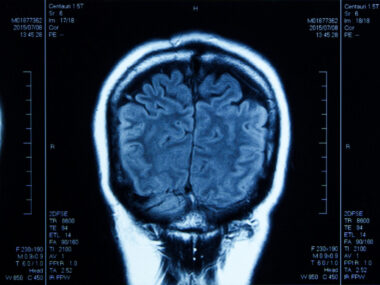
Scientists have modeled changes that affect the brain. (Image from iStock)
- Researchers developed a mathematical model to track relapse patterns in relapsing-remitting multiple sclerosis using inflammation and myelin damage variables.
- The model accurately predicts disease progression phases, shifting naturally from a healthy state to stable disease and oscillating relapse cycles.
- The tool aims to improve the understanding of disease activity, therapeutic response, and underlying relapse mechanisms in patients.
A trio of scientists in Australia has developed a mathematical model that can be used to help understand disease activity patterns in people with multiple sclerosis (MS). The model uses two overarching variables — inflammation and myelin damage — to describe how relapses and stable disease occur in relapsing-remitting MS (RRMS), the most common form of MS.
“Our model shows how relatively simple biological processes can cause the cycles of inflammation and myelin damage, typical of relapsing-remitting MS,” Adrianne Jenner, PhD, co-author of the study and senior lecturer at Queensland University of Technology, said in a university news story.
Researchers described the model in the study, “A mathematical model for inflammation and demyelination in multiple sclerosis,” published in the Journal of the Royal Society Interface.
In MS, inflammation in the brain and spinal cord damages the myelin sheath, the fatty covering around nerve fibers that helps them send electrical signals. RRMS is defined by relapses, where MS symptoms suddenly worsen due to new inflammation and myelin damage, followed by periods of remission, where symptoms ease. However, recovery after a relapse is often incomplete.
“It is crucial to understand the factors behind the frequency of these relapses as these, in almost half the episodes, cause lasting disability,” Jenner said.

Predicting progression
Because there aren’t reliable ways to predict the course of RRMS, the researchers set out to develop a mathematical model to forecast disease progression and relapse timing.
“Mathematical modelling is well positioned to support hypothesis generation and mechanistic understanding of MS,” the researchers wrote.
The model was designed to use two key factors: myelin content and inflammation. The researchers developed equations aimed at describing the interplay between these two factors, while also taking into account factors such as the rate of myelin repair, the rate of decay in inflammation, and overall disease strength.
“After mathematical analysis, we found the model naturally shifted through three stages: from a healthy state to a stable disease state to an oscillating state resembling relapse and remission cycle of many MS patients,” Jenner said. “We found that increasing disease activity or reduction in the body’s resilience to inflammation drove a stable state into recurring cycles of relapse and remission. The model also suggests that changes in how long inflammation persists may influence the time between relapses.”
To evaluate the model’s reliability, the scientists compared its predictions with data from nine RRMS patients who were followed for several years. Results showed the model predicted patient data with reasonable accuracy.
“We tested the model by comparing its predictions with existing data from people living with MS and found it accurately reproduced patterns seen in contrast-enhancing lesions, a common MRI marker of inflammatory disease,” Jenner said.
The researchers noted that their model has some limitations. For example, the model evaluates myelin and inflammation as an average throughout the brain, whereas in reality, MS damage affects specific brain areas.
Nonetheless, they said, the model “is a first step in introducing measures of disease activity that can capture inflammatory, neurodegenerative and disability elements, allowing faster identification of underlying disease activity and suboptimal response to therapy.”
Jenner said the model “could also help guide future studies investigating biomarkers of MS activity and the biological mechanisms underlying relapses.”



Leave a comment
Fill in the required fields to post. Your email address will not be published.