
Probiotics may ease fatigue and pain in MS, review shows
Supplements also reduce inflammation, but do not lessen disability
Written by |
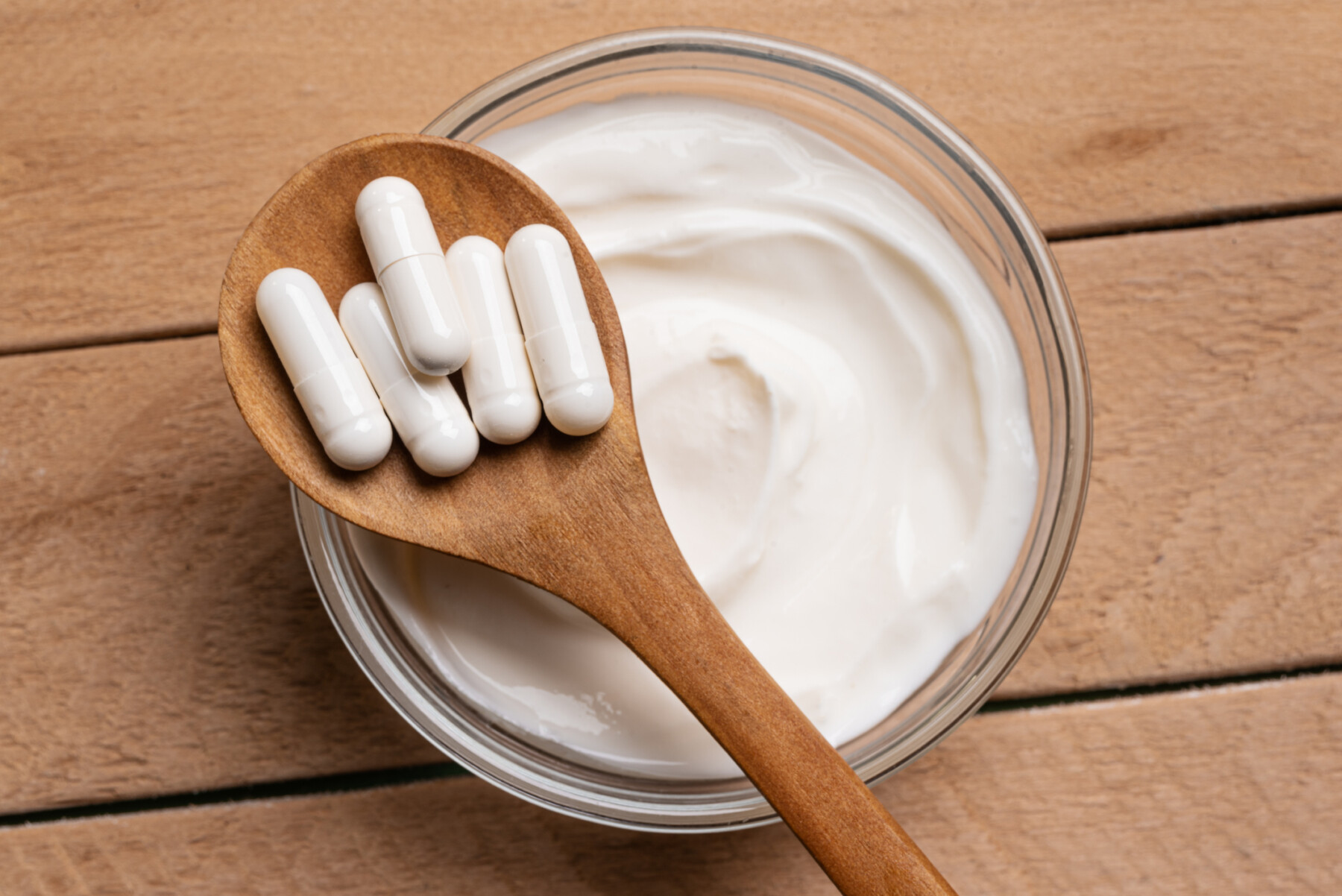
Probiotic supplements may help lower inflammation and ease symptoms such as fatigue and pain in people with MS, a study review has found. (Photo from iStock)
- Probiotic supplements may help manage MS symptoms by reducing fatigue, pain, and systemic inflammation.
- Clinical reviews indicate these supplements do not significantly lessen overall disability status or improve mental health outcomes.
- More diverse, multi-ethnic clinical trials are needed to confirm these findings and understand underlying mechanisms.
Probiotic supplements may ease fatigue, reduce pain, and lower inflammation in people with multiple sclerosis (MS), though they do not appear to significantly lessen disability or improve mental health, according to a new pooled analysis of six clinical trials.
“Probiotics may offer moderate benefits for symptom management in MS, particularly for fatigue, pain, and inflammation, while evidence for effects on mental health remains limited,” researchers wrote. They noted that further studies are needed to confirm these results and clarify the underlying mechanisms.
The study, “Physical, mental and biochemical effects of probiotics in multiple sclerosis: A systematic review and meta-analysis,” was published in Clinical Nutrition.
The gut microbiome — the community of microorganisms that live in the digestive tract — has emerged as a potential contributor to the inflammation associated with MS. People with MS often experience changes in the composition of their gut bacteria, a condition known as dysbiosis, and some of these changes have been linked to a pro-inflammatory state.
Probiotics contain live microorganisms that can benefit gut health, offering a potential strategy to help restore the balance of gut bacteria and dampen inflammation in MS.

Evaluating trial results for MS
Several clinical trials have examined various probiotic supplements in people with MS. While the findings have generally been positive, the results of any individual study apply only to the specific probiotic formulation tested, making it difficult to determine whether probiotics as a group can provide meaningful benefits.
To gain a clearer picture of the overall effects of probiotics, researchers in Spain pooled results from six clinical trials involving 282 people with MS. Of these, 139 received a probiotic supplement and 143 received a placebo. Treatment ranged from about three to six months.
All but one of the studies tested multi-strain bacterial formulations containing different species of Bifidobacterium and Lactobacillus. The remaining study tested a commercial probiotic supplement with Saccharomyces boulardii.
The pooled analysis showed that probiotic treatment improved fatigue and pain compared to a placebo. However, disability status, measured using the Expanded Disability Status Scale (EDSS), did not improve with probiotic use.
In terms of physical symptoms, the analysis found meaningful benefits from probiotics for fatigue and pain compared with a placebo. However, disability status, as measured using EDSS, did not improve with probiotic use.
The team noted that the EDSS assessment may not be sensitive enough to detect short-term changes, particularly in people with milder disability. The findings also differed from those of a previous meta-analysis that reported improvements in EDSS scores with probiotic treatment. The researchers said the difference might partly reflect the inclusion of a newer study, published in 2025, that did not find a significant effect on EDSS.
The researchers also examined whether probiotics affected mental health. While some individual studies reported improvements in depression or overall psychological well-being among people taking probiotics, the pooled results showed no significant benefits for either depression or overall mental health.

Inflammation, tolerance, and geographic limits
At a molecular level, probiotics showed overall benefits for inflammation and oxidative stress, which is a type of cell damage, although evidence was less consistent for oxidative stress.
Probiotic treatment was generally well tolerated. Adherence was high across the trials, with nearly all participants completing their assigned treatment. No serious side effects were attributed to probiotics, and the milder side effects reported were mostly digestive.
Because all studies were conducted in Iran, the team noted the results may not apply to people from other regions, as gut bacterial composition differs by ethnicity and geography. In addition, none of the studies directly assessed changes in participants’ gut microbiomes, so researchers could not confirm if the observed benefits were actually related to changes in gut bacteria.
The researchers concluded that “probiotics may offer moderate benefits for motor function and inflammatory status in individuals with MS, even though the evidence supporting effects on mental health-related outcomes remains limited.”
“Further well-designed, multi-ethnic [randomized clinical trials] integrating microbiome and immunological assessments are needed to confirm these results and clarify underlying mechanisms,” the team added.




Pamela S harden
Is there a specific probiotic that is recommended, in terms of purity and ingredients? There are so many on the market, it's hard to know which probiotic or prebiotic you may/may not need. Thank you, Pam
Matthews Carol
I am interested in Probiotics safety when on Kesymta for MS. DUE TO Kesymta I am immunocompromised as part of my treatment. Interested in Probiotics to help with pain and severe fatigue. Thankyou. Carol M.
Gaylyn M Wattman
I am thrilled to have stumbled onto your newsletter in my in box. Thank you !
I have Primary Progressive MS. I am 76 years old and in relatively good health aside from my MS symptoms.
I attempted Ocrevus infusions in 2019 before it was approved for PPMS. I was unable to tolerate the side effects which ranged from back spasms, nausea, chronic UTI's, and even COVID. I had no choice but to cease Ocrevus infusions because I could not remain infection or virus free long enough to qualify.
I am having better success managing symptoms by (mostly) cutting out dairy products, choosing oat milk products instead. I have eliminated meat from my diet such as beef, pork and chicken. I rarely eat seafood with my plant-based diet. This has taken a few years, but it is second nature to me now. I hope I can continue to improve. I have an orthotic brace being made for my right foot to assist with my foot drop issue and help me better control my balance.